...

Blog

Home Blog

What Is Display Packaging and What Is It Used For?

Display packaging is designed to present products where shoppers can see, reach, and compare them. It can be a countertop tray, a floor-standing unit, or a printed carton that turns into a shelf display. Its job is practical: hold products securely, make key details visible, and help retailers use limited space well. A display should attract attention, but attention alone is not enough.

The market context is substantial. Grand View Research’s Global Folding Carton Market report estimated the market at about US$171.6 billion in 2023 and projected continued growth through 2030. Folding cartons are only one part of display packaging, but the figure shows the scale of a closely related packaging format. Smithers’ research on global packaging markets also tracks how material choices, production methods, and retail needs shape packaging investment. These reports provide useful context, not proof that every display increases sales. Results depend on placement, product, store traffic, and execution.

In this guide, we explain what display packaging is, where it is used, and how businesses choose suitable formats. We also consider materials, printing, durability, and shelf impact. Small details matter. A tray that is hard to restock can frustrate staff; a display that looks impressive in a mock-up may feel crowded in a real aisle. That gap deserves attention. Good planning starts with the product and the retail setting, not just the artwork.
What Is Display Packaging and What Is It Used For?

What Display Packaging Is and How It Differs from Standard Packaging

Display packaging is designed to sell products while they are on view, not just protect them in transit. A countertop tray, open-front carton, or floor-standing unit keeps items visible and easy to reach. Standard packaging usually prioritizes protection, stacking, and efficient shipping; it may remain closed until the product reaches a shelf. Display packaging must do both jobs, so its structure needs to survive handling and present products clearly.

That is the distinction. A plain shipping box can become a retail display when its panels tear away cleanly and reveal a neat row of products. But a display that looks striking in a mock-up may sag under real product weight. POPAI’s 2012 Shopper Engagement Study reported that 76% of purchase decisions are made in-store, highlighting why visibility matters. The figure is a broad industry benchmark, not a guarantee that a display will increase sales. Placement, product fit, and clear messaging still count.

Tip: Test a filled sample on the actual shelf or counter. Check whether shoppers can reach the last item, whether the front panel hides labels, and whether the display stays stable after several products are removed. A small flaw may only show up in use. That is worth checking.
Key Components and Materials Used in Display Packaging

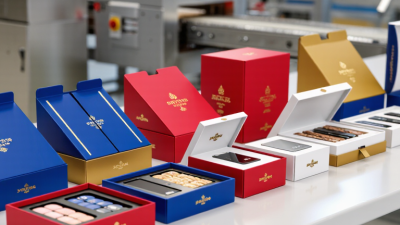
Display packaging is built from a few practical parts: a base, a back panel, and shelves or compartments that hold products upright. A header can add height and carry brief product information, while a front lip helps keep items from sliding forward. Each part should fit the product’s weight, shape, and expected handling. A tray holding small jars needs different support from one holding lightweight sachets.

Paperboard is common for compact displays because it folds cleanly and accepts printed graphics. Corrugated board adds cushioning and stiffness, making it useful for larger floor units or heavier items. Clear plastic panels can improve visibility, but they may complicate recycling when bonded to paper. Coatings, inks, and adhesives also affect disposal options. Check material guidance with the local recycling provider.

A sturdy display starts with realistic testing. Load a sample with actual products, then check whether shelves bow or corners loosen during handling. Moisture can soften paper-based materials. That matters in humid stores. Graphics should remain legible from a few steps away, without crowding instructions or product details. A very elaborate structure may attract attention, but it can also take longer to assemble and use more material. Simpler can be better, though not always more noticeable.

What Is Display Packaging and What Is It Used For?

Display packaging presents products at the point of sale while helping protect them and communicate product information. It commonly combines a printed paperboard or corrugated structure with plastic windows, trays, or other components.

Typical Density of Plastics Used in Packaging

Values are representative typical densities in grams per cubic centimeter; actual density varies with grade and additives. PET and PVC are relatively dense, while PP and LDPE are lighter. These plastics may be used for clear windows, product trays, or protective components.

How Display Packaging Is Designed and Produced

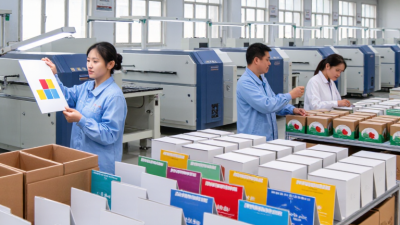
Display packaging is designed around three constraints: shelf space, product weight, and how shoppers approach the display. A designer measures the product and retail footprint, then builds a dieline for the tray, back panel, and locking tabs. Board thickness and grain direction affect stiffness. Print colors and type must remain clear under store lighting, not just on a bright monitor. Small details matter. A prototype made from production-grade board can reveal weak corners or blocked product labels before a full run.

Production usually moves from artwork approval to printing, die-cutting, folding, and gluing. Operators check cut accuracy, glue placement, and how quickly the unit can be assembled. Then comes testing. Load the display with real products and watch for sagging, tipping, or difficult access. A mock-up can still lie; it may not match the final board or shipping conditions. The U.S. Environmental Protection Agency’s Advancing Sustainable Materials Management: 2018 Fact Sheet estimated that containers and packaging made up 82.2 million tons, or 28.1%, of U.S. municipal solid waste. That figure makes material use worth reviewing alongside strength and print quality. Slimmer board may reduce material, but a display that collapses creates a different kind of waste. Not always obvious.

What Is Display Packaging and What Is It Used For? — How Display Packaging Is Designed and Produced
Design or Production Stage What It Involves Typical Materials or Methods How It Supports Display and Use Practical Considerations
Purpose and product assessment Identify the product’s dimensions, weight, fragility, sales setting, and how customers or staff will access it. Product measurements, handling requirements, shelf or counter measurements, and retail environment details. Establishes whether the pack should sit on a counter, shelf, floor, or checkout area and whether it needs to hold individual items or multiple units. Confirm the filled package’s total weight and the expected number of products before selecting a structure.
Display format selection Choose a structure suited to the product and location, such as a countertop tray, shelf-ready box, floor-standing unit, or hanging display. Folded corrugated board, paperboard cartons, trays, dividers, or a combination of components. Makes products visible and accessible while keeping them organized at the point of sale. Check the available footprint, shelf height, replenishment method, and whether the display must ship flat.
Structural design Develop the panels, folds, openings, support features, and assembly method using a dieline or CAD drawing. Computer-aided structural design, sample cutting, scoring, folding, and prototype assembly. Balances product access with stability and helps the display maintain its shape during use. Test the design with actual products; openings should allow easy removal without letting products fall out.
Material selection Select board grades and thicknesses based on load, shipping conditions, print needs, and intended service life. Corrugated board for many shipping and freestanding formats; paperboard for lighter-duty cartons and trays. Provides the support needed to present products and can serve as both a shipping container and an in-store display. Required strength depends on board construction, display dimensions, humidity, stacking, and product weight; it should be tested rather than assumed.
Graphic and information design Arrange colors, images, product information, instructions, and required markings on the printable panels. Digital artwork prepared to match the dieline; print areas and safe zones are checked before production. Helps identify the product, communicate useful information, and make the display noticeable in a retail setting. Keep important text away from folds, cutouts, and glued areas. Use readable type sizes and sufficient contrast.
Printing and finishing Print the graphics, then apply any specified surface finish or coating. Common methods include flexographic and offset printing. Finishes may include aqueous coating or varnish. Creates the visual presentation and can improve resistance to scuffing during handling. Choose print and finish options according to the board surface, artwork, quantity, budget, and recycling requirements.
Cutting, creasing, and conversion Convert printed sheets into shaped blanks with cutouts and fold lines, then glue or otherwise assemble components as needed. Die cutting, creasing, slotting, folding, and gluing using production equipment. Produces the final components and makes the display straightforward to erect or load. Check that folds align, tabs fit correctly, and cut edges do not interfere with product loading or handling.
Prototype and performance testing Build a sample and evaluate fit, stability, assembly, product visibility, and handling. Hand-built or machine-cut prototypes; fit checks and simulated loading or transport tests. Reveals design problems before a full production run and helps confirm that the display works in its intended location. Test with the intended product load and realistic handling conditions, including transport where relevant.
Packaging, shipping, and in-store setup Prepare the display and products for delivery, then assemble, stock, and position the display at the point of sale. Flat-packed blanks or preassembled displays; protective outer cartons where required. Reduces setup effort and helps keep products presentable through delivery and retail placement. Clear assembly instructions and sensible packing arrangements can reduce setup time and the risk of damage.
Material recovery and disposal Consider how the display can be separated, reused, or recycled after its retail use. Paper-based components are commonly recyclable where local collection systems accept them; coatings, adhesives, and mixed materials can affect recovery. Supports practical end-of-use handling and may reduce unnecessary material complexity. Recyclability depends on local facilities and the finished construction. Follow local waste guidance.
Display packaging is packaging designed to present products while helping organize, protect, or dispense them in a retail environment. The best structure and material depend on the product, display location, load, print requirements, and handling conditions.

Common Types of Display Packaging

Common Types of Display Packaging

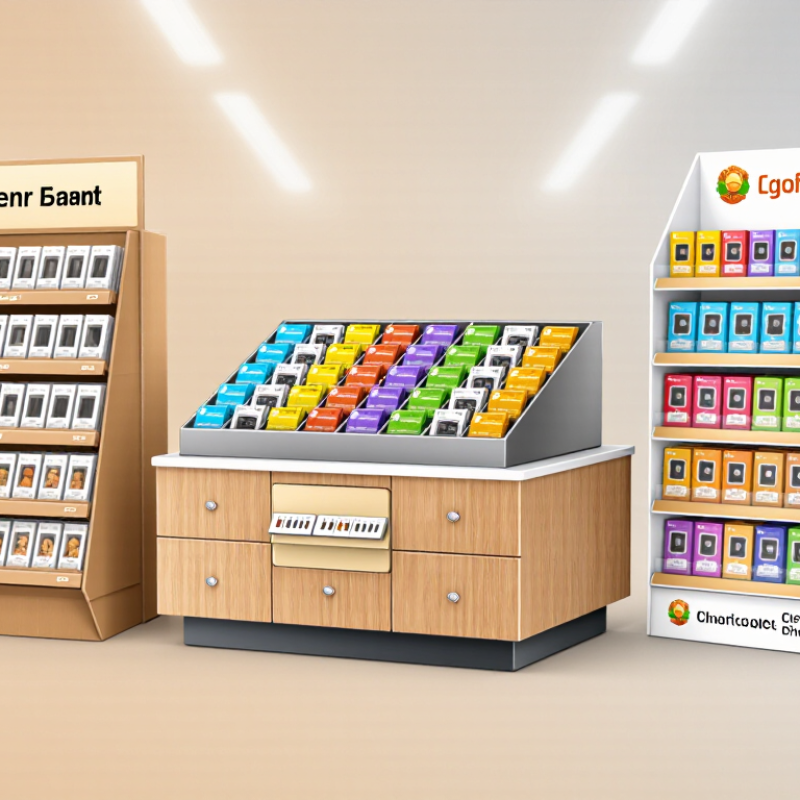
Display packaging comes in several formats, each suited to a different shopping space. Countertop displays sit near checkout areas and hold small items such as snack bars, sample-size products, or accessories. Their compact footprint makes them easy to place, though limited capacity means staff may need to refill them often. Small format, big visibility. Floor displays stand independently in open areas and can present more products at eye level. A sturdy base matters; a leaning unit looks neglected and may be less safe to approach.

Shelf-ready packaging arrives as a tray or carton that store staff can open and place directly on a shelf. It reduces unpacking steps and keeps products grouped, which can make restocking simpler. Dump bins, by contrast, hold loose, individually packaged products for shoppers to browse. They suit sturdy items, but products can look messy if the bin is too deep or poorly filled. Hanging displays use hooks or tabs for lightweight goods, helping them fit narrow spaces where a shelf may not be practical.

Choosing a format depends on product weight, package size, store layout, and how quickly items need replenishing. A floor display may draw attention, but it also uses valuable aisle space. There is no perfect format for every shop. Testing a small run can reveal issues, such as trays that tear during restocking or graphics hidden behind nearby shelves.

Where Display Packaging Is Used and What It Helps Achieve

Display packaging is used where products need to be seen quickly, especially in supermarkets, convenience stores, and specialist shops. A countertop tray near a checkout can hold small items within easy reach, while a floor-standing unit may group several products at the end of an aisle. Placement matters. The package should fit the available space, remain stable when partly empty, and make restocking straightforward. A bright design alone cannot fix a display that blocks nearby products or confuses shoppers.

Trade shows, reception areas, and temporary retail events use display packaging to present samples or explain product features without requiring a large fixture. A clear front panel can show the contents, while a short message on the side may answer a common question. Small details count. Openings should allow easy access, and printed information should remain readable under store lighting. These displays can improve product visibility and keep items organized, but results depend on location, foot traffic, and upkeep. A display may look effective on delivery day, then become untidy after repeated handling. That practical weakness deserves attention during design, not only after installation.

Need Packaging Solutions?

Get Free Estimate!

1-800-493-7441
Contact Us