...

Blog

Home Blog

Who Is the Best Display Packaging Manufacturer in China?

Choosing the best display packaging manufacturer in China is not a search for the brightest showroom or the lowest quote. It is a test of whether a supplier can turn a shelf-side idea into packaging that works in real stores. The right partner should explain material choices, print tolerances, structural strength, sampling, and production checks in plain language. Details matter: a counter display must hold its shape, keep products easy to reach, and look consistent under uneven shop lighting. Small flaws show.

Steve Jobs, a product-design leader known for his attention to packaging, once said, “Packaging can be theater; it can create a story.” That idea applies to display packaging, but appearance alone is not enough. Buyers should ask for physical samples, inspect folds and edges, and compare colors with approved proofs. They should also confirm who checks quality, how production changes are handled, and whether delivery plans are realistic. A factory’s polished presentation is useful, but it is not proof of reliable performance. I would not choose on price alone.

This guide looks at the qualities that distinguish capable Chinese manufacturers: clear communication, practical design support, repeatable production, and evidence behind their claims. It also considers trade-offs, because the best choice depends on the product, order size, and retail environment. No supplier is perfect. The goal is to find one that identifies problems early, answers specific questions, and can show how its display packaging performs beyond a digital mockup.
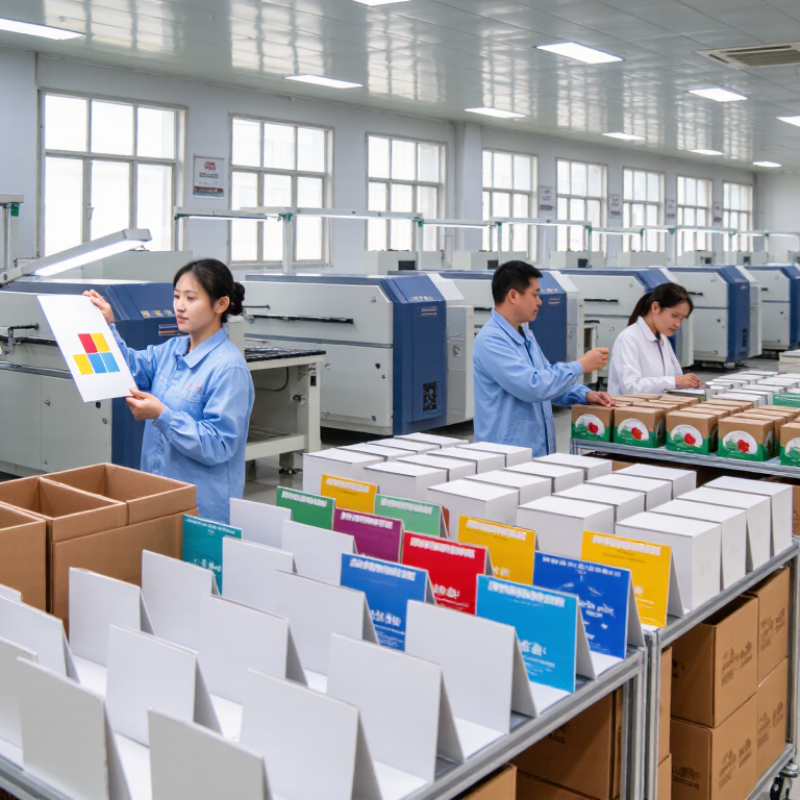
Who Is the Best Display Packaging Manufacturer in China?

What Display Packaging Manufacturers in China Produce

Display packaging manufacturers in China produce more than printed boxes. Their work often includes countertop displays, floor stands, dump bins, shelf trays, and pallet displays for retail environments. Materials may include corrugated board, paperboard, or plastic, depending on the required strength, finish, and display life. Small details matter.

Production can cover structural design, sample making, printing, die-cutting, lamination, and assembly. A manufacturer may create a flat-packed display that store staff can assemble without special tools. For example, a snack display might use reinforced corners and angled shelves so products stay visible and the structure holds its shape. The right design depends on product weight, shelf dimensions, shipping conditions, and how often the display will be handled.

A printed sample is useful, but it does not prove that a display will perform well in a busy store. Fit matters. Check the assembled sample with actual products, and review its stability after packing and transport. I would not treat a clean mock-up as a finished solution; small changes in board thickness or folding can affect assembly. Clear drawings, material specifications, and practical testing help buyers assess what a supplier can reliably produce.
How to Evaluate a Display Packaging Manufacturer

Choosing a display packaging manufacturer in China takes more than comparing unit prices. Start with the product and where it will be used. A counter display for small cosmetics needs different support from a floor unit holding glass bottles. Ask how the manufacturer checks dimensions, load capacity, print color, and assembly before approving a sample.

Look closely at the sample. Check whether shelves sit level, edges feel clean, and printed panels align under ordinary store lighting. Request material specifications and a clear production schedule. Ask what happens if a batch fails inspection. Specific answers are more useful than broad promises. A polished prototype can still hide production problems, so consider requesting a sample made with the intended materials and process.

Review communication as carefully as equipment. Can the team explain design changes, packaging methods, and shipping options in plain language? Request recent examples of similar work, while checking that the details match your product’s needs. I would not treat one successful sample as proof of consistent quality. That is an easy mistake. Compare written quotes, inspection steps, and response times before committing, and keep agreed tolerances documented. A little extra checking now can prevent costly redesigns later.

Who Is the Best Display Packaging Manufacturer in China? — How to Evaluate a Display Packaging Manufacturer

Evaluation Dimension Weight What to Check Evidence to Request High-Score Indicators
Display Packaging Design and Engineering 15% Ability to turn product, brand, retail, and shipping requirements into a practical display design. Structural drawings, prototypes, material specifications, and examples of completed projects. Designs account for product fit, visibility, assembly, stability, and transport requirements.
Material and Print Quality 15% Suitability and consistency of board, corrugated materials, coatings, printing, and finishing. Material data sheets, printed samples, quality-control records, and approved production samples. Specifications are documented, samples match the approved design, and inspection standards are clear.
Structural Strength and Product Protection 15% Whether the display can support the intended product load and withstand handling and distribution. Load-test results, stability assessments, packaging tests, and details of test conditions. Performance is tested against the actual product configuration and agreed distribution conditions.
Sampling and Prototyping 10% Process for reviewing dimensions, graphics, assembly, and functionality before mass production. Sample workflow, prototype schedule, revision records, and sample approval documentation. Production begins only after the customer has approved a documented final sample.
Production Capacity and Lead-Time Control 10% Ability to manage the required order volume, production schedule, and seasonal demand. Production plan, stated capacity, lead-time breakdown, and contingency procedures. Capacity and delivery dates are supported by a clear schedule and regular progress updates.
Quality Management and Traceability 10% Inspection procedures for incoming materials, in-process production, and finished goods. Inspection checklists, defect-handling process, batch records, and corrective-action examples. Acceptance criteria are agreed in advance, and issues can be traced and addressed systematically.
Compliance and Material Documentation 10% Ability to provide documentation relevant to the destination market and specified materials. Applicable test reports, material declarations, certificates, and supplier documentation. Documents are current, relevant to the supplied product, and verifiable with the issuing body where applicable.
Cost Transparency and Value 5% Clarity of pricing for tooling, samples, production, packing, and other agreed services. Itemized quotation, assumptions, payment terms, and written change-order policy. Costs and exclusions are stated clearly, allowing comparable quotations to be evaluated fairly.
Communication and Project Management 5% Responsiveness, technical communication, and ownership of actions and deadlines. Named project contacts, communication plan, meeting notes, and action-tracking process. Questions receive timely, specific answers, and design or schedule changes are documented.
Shipping, Packing, and Delivery Coordination 5% How finished displays are packed, labeled, and prepared for the agreed shipping method. Packing specifications, carton information, shipping plan, and delivery responsibilities. Packing protects the displays in transit, and delivery terms and responsibilities are understood.
Total Evaluation Weight 100% Score each dimension from 1 to 5, then multiply the score by its weight. Compare manufacturers using the same requirements and evidence standard.

Scoring guide: 1 = insufficient evidence or capability; 3 = meets the stated requirement; 5 = strong, documented capability with relevant evidence. This framework evaluates manufacturers without relying on unsupported rankings.

Which Factors Distinguish Leading Chinese Manufacturers

Who Is the Best Display Packaging Manufacturer in China?

Which Factors Distinguish Leading Chinese Manufacturers

A strong manufacturer does more than produce an attractive sample. It can explain how board thickness, flute direction, coating, and print settings affect shelf performance. Smithers’ 2024 analysis estimated the global packaging market at about US$1.05 trillion, reflecting the scale and competition of the sector. For buyers, that makes repeatable quality more meaningful than a low unit price. Ask for documented checks on color variation, dimensions, load capacity, and production batches. Small differences matter: a display that leans under product weight can lose its impact before shoppers notice the graphics.

Technical capability should be matched by clear communication. A capable factory shares dielines, material specifications, and realistic sampling and production schedules. It should also explain how it handles defects and changes after approval. Request a physical sample and test it with the intended products, not empty cartons. That matters. Check whether parts assemble smoothly and whether printed surfaces scuff during handling. A polished prototype is not proof of consistent mass production; I would still ask how inspection results are recorded. Sustainability claims deserve the same scrutiny: request material details and evidence rather than relying on vague “eco-friendly” language. No supplier is perfect, but candid answers and traceable quality records are useful signs of a dependable partner.

How to Compare Manufacturers for Different Packaging Needs

Choosing a display packaging manufacturer starts with the job the package must do. A countertop unit holding small cosmetics needs clean print, stable dividers, and quick assembly. A floor display carrying heavier products needs a stronger base and careful load testing. Details matter. Ask for a prototype made with the proposed board grade, not a similar substitute. Check how it stands on a real shop floor.

Compare suppliers using the same brief: dimensions, product weight, print files, order quantity, and delivery location. Request material specifications, a color proof, and a written production schedule. Ask how changes are handled after approval. A low quote may exclude assembly, protective packing, or freight, so compare itemized costs. Not always. The cheapest option may still fit a simple, short-run project.

Review samples closely. Open and close the structure several times, inspect edges, and note whether shelves sag under product weight. Ask for evidence of quality checks, such as inspection records or documented load tests. A first sample can look convincing yet reveal awkward folds during assembly; that detail is easy to miss. Check lead times against your launch date, and confirm who approves the final production sample before the full order begins.

How to Select a Manufacturer for Your Project

Who Is the Best Display Packaging Manufacturer in China?
How to Select a Manufacturer for Your Project

The best manufacturer is the one that can meet your project’s needs consistently, not simply offer the lowest quote. Start by sharing the product’s dimensions, weight, retail setting, and expected production volume. Ask how the team checks sample accuracy, print color, material strength, and assembly. A capable supplier should explain its process clearly and flag practical concerns, such as a display that may tip when fully loaded. Details matter.

Tips: Request a physical sample made with your intended materials. Check how it folds, fits, and holds product. Ask for a written quote that separates tooling, sampling, packaging, and shipping costs.

Compare manufacturers using the same specifications. This makes quotes easier to assess and helps reveal missing details. Ask about production lead times, quality checks, and how changes are handled after approval. If possible, speak with a recent customer whose order was similar in size and complexity. A polished sample is useful, but it cannot prove every production run will match. I would still want clear inspection criteria and regular updates before committing to a large order. Sometimes the cheapest option is right; sometimes it creates more work later.

Who Is the Best Display Packaging Manufacturer in China?

How to select a manufacturer for your project

Use these suggested weights to compare manufacturers against the same project brief. They are a buyer-defined evaluation framework, not survey results or ratings of specific companies. Request production samples, confirm material and compliance requirements, and check that proposed timelines and capabilities match your needs.

Need Packaging Solutions?

Get Free Estimate!

1-800-493-7441
Contact Us