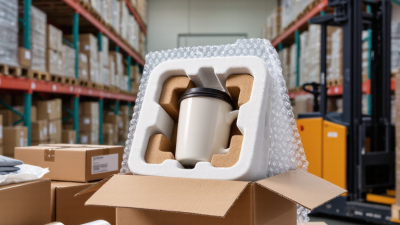
What will the top packaging items look like in 2026? Expect practical choices shaped by shipping costs, product protection, and growing pressure to reduce waste. The OECD’s Global Plastics Outlook (2022) estimates that packaging represented about 40% of plastic waste generated worldwide in 2019. That figure makes material decisions hard to ignore. In the EU, Eurostat reported 186.5 kilograms of packaging waste per person in 2022, with 66.5% recycled. These are regional and global indicators, not a precise forecast of what every buyer will choose. Still, they show why packaging teams are examining recyclable paper mailers, mono-material pouches, molded-fiber inserts, and reusable transit boxes.
Useful packaging items must do more than look sustainable. A paper mailer still needs to protect a fragile item in a damp delivery van. A flexible pouch needs reliable seals and clear product information. For 2026, buyers may also pay closer attention to lightweight protective packaging, right-sized cartons, and labels that help identify materials or track shipments. Performance matters. So does the end of the package’s life.
There is no universal winner. Local recycling systems, product shape, and shipping distance can change the best choice. Even a promising material may create trade-offs. This article examines leading packaging items for 2026 through practical uses, material considerations, and the data behind current demand. The forecasts are useful, but not a shopping list. Small details matter.
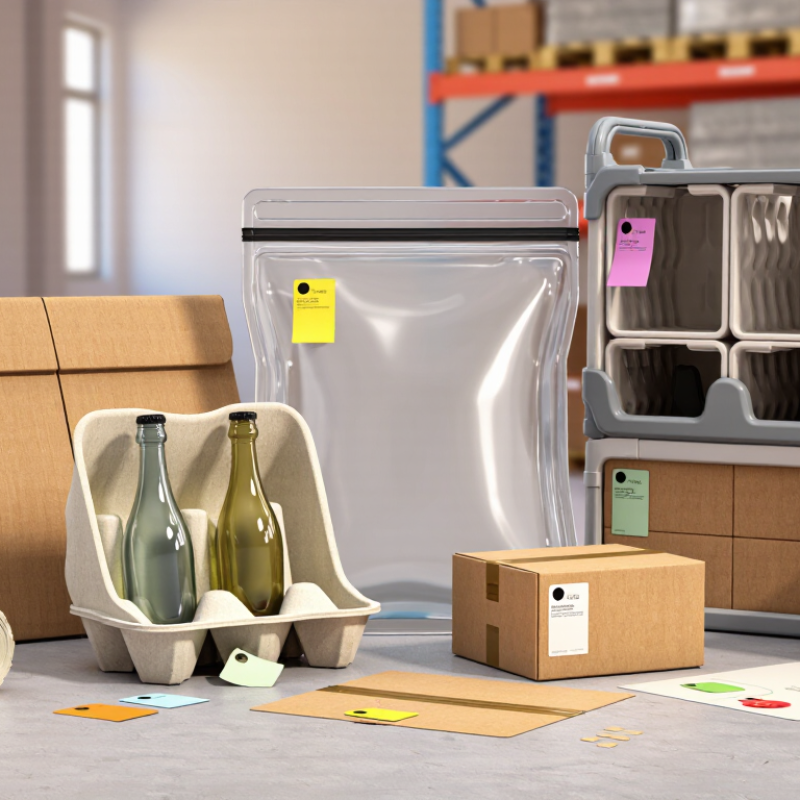
In 2026, packaging items are the physical components that contain, protect, identify, and present a product through storage and delivery. They include cartons, bottles, pouches, closures, labels, inserts, and cushioning selected for a product’s weight, shape, and handling needs. As a system, they limit movement, absorb knocks, help prevent leaks, and make opening easier. A paperboard box, for example, may need a snug insert when a glass jar shifts during a short drop test. Small details matter. A readable label and a secure seal can reduce handling confusion and reassure the recipient.
In 2026, packaging choices increasingly balance protection, material use, cost, and customer experience. Right-sized packs can reduce unused space, while recycled or recyclable materials may suit some products and local collection systems. But no material is automatically the best choice; moisture, temperature, and transport distance affect performance. Not every lighter package is better. A thin mailer that tears can create more waste through replacement shipments. Teams can compare samples, measure damage rates, and check whether labels remain legible after rubbing or condensation. These checks are practical, though small tests may not reflect every route. That gap deserves attention. Packaging is not decoration alone; it is a working layer between a product and the people who handle it.
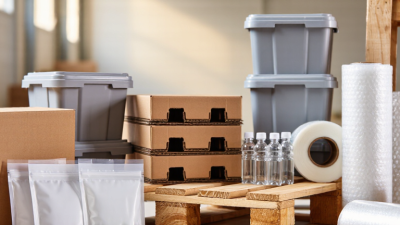
What Are the Top Packaging Items for 2026?
Key Criteria for Ranking Packaging Items
The strongest packaging choice is not simply the lightest or most recyclable. It must protect the product through storage, handling, and delivery. Check whether corners resist crushing, seals stay intact, and moisture barriers suit the contents. Protection still matters. A damaged shipment can waste both product and packaging.
Material efficiency and realistic recovery options deserve equal weight. The OECD’s Global Plastics Outlook reports that packaging generated about 40% of global plastic waste in 2019, or roughly 142 million tonnes. That makes unnecessary layers and hard-to-sort material important ranking penalties. The UNEP report Turning off the Tap estimates that existing solutions could cut plastic pollution by 80% by 2040. Reuse, better recycling, and material redesign all contribute. But a recyclable label means little if local facilities cannot process the package.
A practical scorecard should also measure shipping volume, ease of opening, and total cost per protected unit. Compare package weight with the damage rate, not in isolation. Ask suppliers for documented material composition and test results; avoid treating unverified claims as evidence. No scorecard is perfect. Rankings can overlook local collection gaps or changing product needs, so test shortlisted formats under real transport conditions before making a final choice.
| Rank | Packaging Item | Recyclability | Material Efficiency | Product Protection | E-commerce Suitability | Reuse & Regulatory Readiness | Weighted Score | Ranking Rationale |
|---|---|---|---|---|---|---|---|---|
| 1 | Corrugated fiberboard boxes | High when clean and accepted in local paper-recycling programs | High; lightweight construction and right-sizing can reduce excess material | High; cushioning and strength can be tailored to the shipment | Very high; widely used for shipping and distribution | High; established collection systems in many markets, with design and local rules still relevant | 4.75 / 5 | A strong all-round option for shipping, combining protection, broad familiarity, and established fiber-recycling routes. |
| 2 | Paperboard cartons | High when kept clean and accepted by local paper-recycling systems | High; generally lightweight and easy to fold flat | Moderate to high; suitable for many dry and packaged goods | High for secondary packaging and smaller parcels | High; commonly supported by paper collection, subject to coatings and local acceptance | 4.40 / 5 | A versatile, lightweight format for retail and secondary packaging, although it may need additional protection for fragile goods. |
| 3 | Mono-material flexible packaging | Moderate to high when designed for recycling and supported by local collection infrastructure | Very high; typically uses little material relative to its packed volume | Moderate to high; can provide useful moisture and oxygen barriers, depending on structure | High; light and space-efficient for many products | Moderate to high; recyclability depends on design, collection, and sorting availability | 4.15 / 5 | Its low weight and compact format are useful, but actual recycling outcomes depend on package construction and local systems. |
| 4 | Aluminum cans and containers | High where collection and sorting systems recover aluminum | High; lightweight and stackable in transport | Very high; provides a strong barrier against light, air, and moisture | Moderate; durable for shipping but can be heavier than flexible formats | High; established recycling routes exist in many markets | 4.00 / 5 | A durable barrier package with established recycling value, especially suited to beverages and products needing strong protection. |
| 5 | Reusable transport packaging | Moderate to high at end of life, depending on material and local recycling options | Moderate; uses more material per unit initially but can serve many trips | High; durable formats can protect goods across repeated journeys | High in closed-loop or return systems; less practical without reverse logistics | Moderate; performance depends on return rates, cleaning, tracking, and reuse cycles | 3.85 / 5 | Can reduce single-use packaging in well-managed return systems; benefits depend on repeated use and efficient backhauling. |
| 6 | Molded fiber packaging | Moderate to high where accepted in paper-recycling or composting systems; coatings can affect disposal options | High; can be shaped to fit products and replace some protective inserts | Moderate; useful for cushioning, but not suitable for every moisture-sensitive application | Moderate; commonly used as protective inserts and trays | Moderate to high; depends on additives, product design, and local facilities | 3.65 / 5 | A useful protective format, particularly for inserts and trays, with disposal performance dependent on its exact composition. |
| 7 | Glass bottles and jars | High where glass collection and recycling are available | Low to moderate; heavier than many alternatives and can require protective secondary packaging | Very high; provides a strong barrier and does not readily interact with many contents | Low to moderate; weight and breakage risk can complicate parcel shipping | Moderate to high; refill systems can work where collection and return logistics are established | 3.55 / 5 | Offers strong product protection and can support refill systems, but weight and breakage risk limit its suitability for some shipments. |
Scoring method: Editorial assessment on a 1–5 scale, weighted as follows: recyclability 25%, material efficiency 20%, product protection 20%, e-commerce suitability 20%, and reuse and regulatory readiness 15%. Scores are comparative estimates, not measured market data or a guarantee of performance. Recyclability and disposal options vary by package design and local collection infrastructure.
For 2026, leading packaging items are likely to span shipping, food, and protective uses. Corrugated boxes remain practical for parcel delivery, while paper mailers suit smaller, lighter orders. Eurostat’s 2022 packaging-waste data show paper and cardboard made up 40.8% of EU packaging waste by weight. That scale helps explain their continued importance. It does not make every box efficient.
Flexible pouches and films offer low weight and compact storage, especially for snacks and household refills. But material mix can complicate sorting. The OECD’s Global Plastics Outlook reports that packaging accounted for 40% of global plastic waste in 2019. That figure makes recyclable designs and clear disposal instructions especially relevant. Rigid tubs, bottles, and trays also remain common where products need a firm barrier or stackable shape.
Protective paper fill and molded fiber inserts are gaining attention as alternatives to some plastic cushioning. Reusable transit crates may also fit closed-loop delivery routes. Not everywhere. Return logistics can erase some environmental benefits when containers travel long distances or come back empty. Buyers should compare pack weight, protection, recyclability, and transport needs together; one material rarely wins every test.
Packaging choices in 2026 will be shaped by materials that protect products without adding unnecessary layers. Fiber-based packs are gaining attention, especially for dry goods and shipping. Recycled content can reduce reliance on virgin resources, but color, strength, and supply consistency may vary. Small details matter: a damp carton corner can fail before a product reaches a doorstep. Not every material fits every job.
Mono-material designs can make sorting and recycling simpler when local systems accept them. Thin barrier coatings may help paper resist grease or moisture, though they can complicate recovery. Teams should test real conditions, including humidity, stacking pressure, and transport drops. A clean sample is not enough. Performance needs checking on the actual packing line, too.
Digital printing can support shorter runs and faster artwork changes, while connected labels may help track freshness or handling. These tools are useful only when their data is accurate and easy to act on. Sensors also add cost and components. In practical packaging reviews, protection, material use, and end-of-life options need to be weighed together. The trade-off is rarely perfect, and that is worth admitting.
Selecting packaging starts with the product, not the trend. A glass jar needs cushioning and a secure closure; a soft bakery item needs a package that limits crushing without trapping too much moisture. For shipping, test the full parcel: drops, vibration, and damp conditions can expose weak seams. Ask suppliers for barrier and compression data, then run a small trial on your own packing line.
Material choice also has a measurable waste impact. The OECD’s Global Plastics Outlook reports that only 9% of plastic waste was recycled worldwide in 2019. That figure does not mean plastic is always the wrong choice; protection that prevents food spoilage can matter too. The U.S. EPA’s 2018 materials report recorded 82.2 million tons of containers and packaging waste. Match format to local collection options, and check whether coatings, inks, or mixed layers complicate sorting.
The awkward part: there is rarely one perfect package. A lightweight mailer may reduce shipping weight but fail around sharp corners. A rigid carton may protect better, yet use more material. Compare total weight, damage rates, shelf life, and disposal routes—not just the package price. Keep one assumption open to challenge: a recyclable label means little if nearby facilities cannot process the material.
Get Free Estimate!