Choosing packaging and containers is a practical business decision, not just a branding exercise. A jar, pouch, carton, or shipping box must protect the product through storage, handling, and delivery. Each format also affects shelf space, transport costs, customer experience, and waste. Small details matter. A loose-fitting lid or crushed corner can turn a good product into a disappointing delivery.
The scale of the challenge is clear in published data. The OECD’s Global Plastics Outlook (2022) estimates that packaging accounts for about 40% of global plastic waste. In the United States, the Environmental Protection Agency reported that packaging, containers, and nondurable goods generated 82.2 million tons of municipal solid waste in 2018. These figures describe different measures, but both show why material choices deserve careful attention. They do not, by themselves, tell a business which package is best.
Packaging educator Walter Soroka, author of Fundamentals of Packaging Technology, describes packaging as “the science, art, and technology of enclosing or protecting products for distribution, storage, sale, and use.” That is a useful starting point. The real test is whether the package fits your product, sales channel, budget, and customers. A lighter package may reduce shipping weight, yet fail if it cannot protect fragile contents. A recyclable option may sound ideal, but local collection access matters. There is no perfect choice. This guide will help you compare materials, formats, costs, protection, and sustainability claims before committing to packaging and containers for your business.

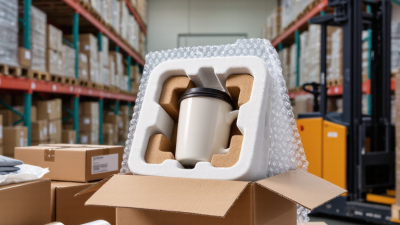
Start with the product, not the box. Note its weight, dimensions, fragility, and sensitivity to moisture, light, or temperature. A glass jar needs cushioning around its sides and base. A soft item may need less protection, but still needs a container that prevents crushing. Measure the product after any inner wrapping is added. Small details matter.
Then consider the route it will travel. A parcel may be stacked, tilted, or exposed to damp conditions before delivery. Test a packed sample by gently shaking it and checking whether the product shifts. Add dividers or cushioning where movement occurs, rather than filling every empty space by habit. Keep it snug. For heavier goods, check that the container can hold the load without bulging or tearing at the seams.
Packaging also affects storage, handling, and cost. Choose a size that fits common shipping cartons and can be labeled clearly. If staff pack orders by hand, complicated inserts may slow them down. One practical trial is to pack several orders, then inspect them after a typical delivery journey. It is not a perfect test. Routes vary, and early estimates can be wrong; revise the design when damage, excess material, or awkward packing shows up.
| Product type | Suitable primary packaging | Recommended shipping container | Key shipping conditions | Important requirements | Practical checks before ordering |
|---|---|---|---|---|---|
| Fragile glassware or ceramics | Protective sleeves, molded-pulp inserts, or fitted foam around each item | A corrugated shipping box with cushioning and enough space to prevent item-to-item contact | Parcel handling may involve drops, vibration, stacking, and changes in orientation | Secure the product against movement; use a closure that stays shut during transit | Test packed samples for movement and damage after representative handling |
| Apparel and other soft goods | Folded garment in a protective poly mailer or paper-based bag, as appropriate | Durable mailer for flexible orders; corrugated box for structured or multi-item orders | Exposure to rain, dirt, compression, and rough handling | Protect against moisture and abrasion; select packaging that fits without excessive empty space | Check seal strength, tear resistance, package dimensions, and applicable material rules |
| Liquid products | Compatible, leak-resistant bottle or container with a secure closure and suitable inner seal | Corrugated box with dividers or a fitted insert; add a sealed secondary bag when appropriate | Leakage, pressure changes, temperature variation, and container breakage | Verify material compatibility and closure performance; check carrier and transport restrictions for the contents | Conduct leak and transit tests with the actual filled container and closure |
| Electronics and small devices | Fitted tray or protective wrap; use antistatic materials where the product is electrostatic-sensitive | Rigid corrugated box with cushioning that limits shock and movement | Impact, vibration, moisture, and potential electrostatic discharge | Protect sensitive components; keep accessories from pressing against or scratching the device | Assess cushioning, fit, moisture exposure, and any battery-related shipping rules |
| Chilled or perishable goods | Food-contact-suitable, sealed packaging selected for the product and required storage conditions | Insulated shipper with qualified refrigerants and a leak-resistant outer container, as needed | Time in transit, ambient temperature, delays, and temperature fluctuations | Maintain the product’s required temperature range and meet applicable food-safety and labeling rules | Validate pack-out duration under expected route and seasonal conditions |
| Bulk or heavy products | Strong inner container, bag, or wrap suited to the product’s weight and handling needs | Heavy-duty corrugated box, crate, or palletized load based on size and freight method | Stacking loads, compression, lifting, and movement during freight transport | Match container strength to packed weight; secure the load and keep weight distribution stable | Confirm box or pallet limits with the supplier and carrier; test stacking and handling stability |
| Printed materials and flat items | Protective sleeve or wrap with a rigid backing board where bending is a concern | Rigid mailer or flat corrugated carton sized to limit bending and corner damage | Bending, edge impacts, moisture, and surface scuffing | Keep contents flat and dry; avoid oversized packaging that allows shifting | Check fit with the finished item and verify protection at corners and edges |
Packaging selection should account for product dimensions, packed weight, distribution route, storage conditions, applicable regulations, material availability, and end-of-life options. Test the complete packed product before placing a large-volume order.





Get Free Estimate!