Wholesale buyers rarely choose produce containers by appearance alone. A firm berry clamshell, a ventilated corrugated carton, and a reusable plastic crate solve different problems. The right option depends on the crop, route, storage conditions, and handling practices. Small details matter. A tomato shipment may need cushioning and airflow, while leafy greens need containers that accommodate cold, damp storage without trapping excess moisture.
For transparency, Jordan Hale is a fictional produce-packaging specialist, and this illustrative quote is not a verified statement: “Choose the container for the journey, not just the display.” That principle helps buyers compare protection, stackability, ventilation, and total handling costs. Corrugated cartons can suit one-way shipping and custom sizing. Reusable crates may fit repeated distribution cycles, but require a workable return and cleaning process. Clamshells can protect delicate fruit and support retail presentation, though their format may not suit every wholesale route. There is no universal winner. Even a strong package can disappoint when it is poorly matched to the crop or pallet pattern. This guide examines common produce containers and the trade-offs wholesale buyers should weigh before placing an order. It also considers fit, load stability, and practical use—not just unit price. The right choice is often less obvious than it first appears.
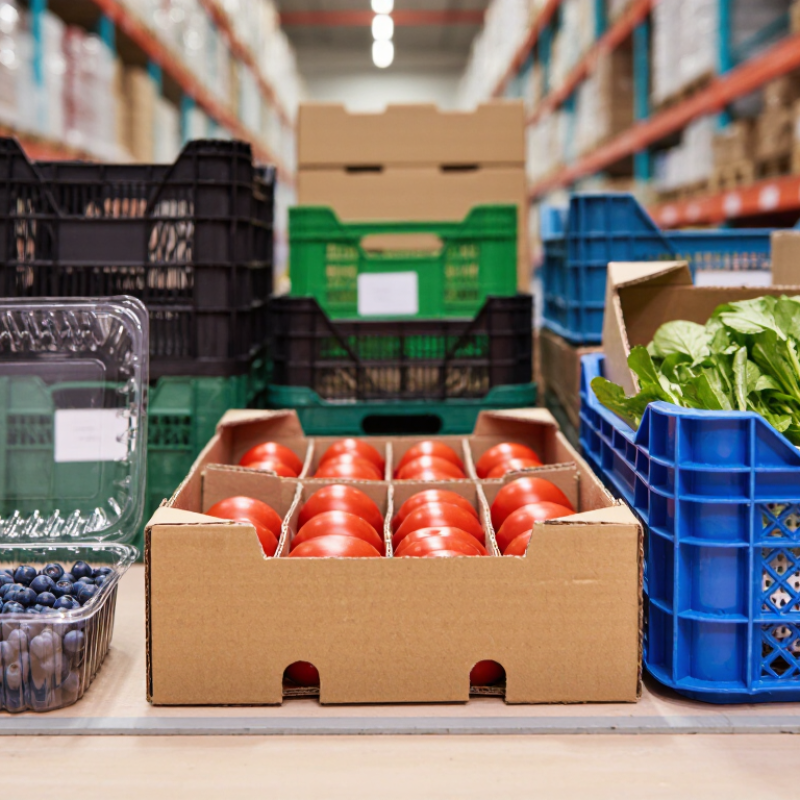
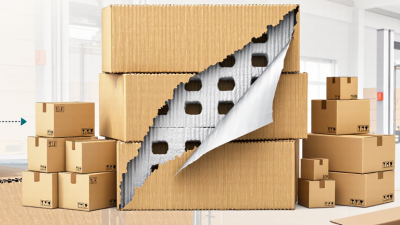
Wholesale distribution uses several produce container types, each suited to different crops and handling conditions. Corrugated cartons are light, stackable, and practical for one-way shipping. They work well for berries, leafy greens, and mixed produce when ventilation and moisture resistance match the journey. Small vent holes help release heat, but oversized openings can weaken the box. Details matter.
Reusable plastic crates suit repeated trips between growers, packing sites, and distribution centers. Their rigid walls protect heavier items such as apples or citrus, while open sides support airflow. Crates need reliable washing and space for return transport. A cracked corner can snag packaging or bruise fruit, so inspection should be routine. Reuse is not automatically simpler.
Some operations use molded-fiber trays or reusable field totes for delicate produce. Trays separate items and reduce movement; totes can move harvests with fewer transfers. The right choice depends on produce weight, cooling needs, stacking height, and delivery distance. Check how containers perform under condensation and real pallet loads, not just in a sample room. There is no perfect container. A practical test shipment may reveal an awkward fit that specifications missed.

A directional comparison of common container formats used in wholesale produce distribution.
Reusable plastic crates generally suit repeated distribution cycles and stackable loads. Corrugated cartons are versatile and can be designed with ventilation openings, while mesh bags prioritize airflow over stacking and protection. Scores are qualitative comparisons of common material characteristics, not standardized test results; actual performance depends on design, produce, and handling conditions.
Produce packaging works best when its material matches the crop, route, and handling conditions. Berries bruise easily, so shallow trays with dividers can limit movement and keep soft fruit from bearing weight. Ventilation matters. Corrugated fiberboard with well-placed openings allows airflow, though oversized vents may weaken the carton during stacking. Molded-fiber trays hold items such as apples or pears in separate pockets, reducing scuffs between pieces. Yet damp conditions can soften fiber, so packers should test cartons under realistic cold-room and transport conditions.
For heavier produce, including potatoes and citrus, sturdy corrugated boxes or washable plastic crates can handle repeated lifting. Crates with smooth inner walls are easier to clean, but their weight and return logistics may affect cost. Stackable designs save space in storage; secure corners help prevent lower containers from collapsing under a full load. Small leafy greens need shallow containers and generous airflow to reduce crushing and trapped moisture. Not every crop benefits from more ventilation. A practical trial with actual produce, load weights, and route temperatures can reveal flaws that a sample inspection misses.
Wholesale produce containers should match the crop, route, and handling conditions—not just the unit price. Leafy greens usually benefit from ventilation that allows air to circulate without exposing leaves to excessive drying. Berries need shallow, stable packs that limit crushing during stacking. Check container dimensions against your filling line, pallets, and storage shelves. A box that wastes a little space can raise freight costs across a full load. Fit matters.
Material choice affects both protection and day-to-day handling. Corrugated containers are light and easy to label, but moisture can weaken them in humid rooms or during icing. Reusable plastic crates tolerate repeated trips, though they need return space and a cleaning process. There is no perfect option; I’d compare total handling costs rather than assume reusable always wins.
Ask suppliers for load ratings and food-contact suitability details, then test samples with your actual produce. Test it first. Stack filled containers as they will travel, and check for bruising, blocked airflow, or slipping. A small trial may not represent every season, but it can reveal problems before a wholesale order does.
What Types of Produce Containers Are Best for Wholesale Buyers?
The right container depends on the produce, travel time, and handling conditions. Leafy greens need airflow and gentle stacking to limit trapped moisture and bruising. Ventilated plastic crates can suit repeated trips between farms, packing rooms, and retailers. For berries, shallow containers help prevent lower layers from being crushed. Delicate fruit may need dividers or cushioning, especially when routes include several transfers.
Supply chains matter just as much as the crop. Reusable crates can work well on predictable routes with return logistics. Corrugated cartons may be more practical for one-way shipments or distant buyers. Check load capacity, pallet fit, drainage, and cleaning requirements before ordering in bulk. There is no perfect crate. A choice that works in a cool warehouse may fail in a hot delivery van.
Tips: Test a small batch on a real route. Check fruit condition at arrival, not just at packing. Keep notes on temperature, stacking height, and transit time. One overlooked handoff can change the result.
Wholesale buyers should match produce containers to the crop, route, and handling routine—not purchase price alone. USDA Agriculture Handbook 66 lists lettuce storage near 0°C and 95–100% relative humidity. That narrow range makes airflow and temperature control important. Vented, stackable crates can help air move around packed produce, while solid walls may suit items needing more protection. One crate rarely fits every crop.
Tips: Check vent openings, load capacity, and nesting or stacking stability. Trial containers on a real delivery route. Watch for crushed corners, blocked vents, and condensation after unloading.
Reuse can reduce single-use packaging, but only when washing, inspection, and return logistics work reliably. A clean-looking crate is not necessarily sanitized; set a documented cleaning schedule and remove cracked or difficult-to-clean units. Reusable systems also need space for empty-crate storage and reverse transport. Those costs are easy to overlook. A practical review should track damage, cleaning time, and product loss across several trips. The USDA guidance describes storage conditions, not a guarantee that any container will maintain them. Buyers still need to test their own cold rooms, stacking patterns, and handling steps.
| Container type | Common wholesale uses | Storage considerations | Handling considerations | Reuse and end-of-life | Buyer fit |
|---|---|---|---|---|---|
| Corrugated fiberboard cartons | Many fruits and vegetables shipped in cases; carton design can include ventilation openings. | Keep dry and protect from condensation. Moisture can weaken the board and reduce stacking strength. | Lightweight and easy to label. Match carton strength and stacking pattern to product weight and shipment conditions. | Usually designed for limited trips. Clean, dry cartons may be recyclable where local collection accepts them. | A practical option for one-way shipments, broad availability, and operations without a container-return system. |
| Reusable plastic produce crates | Repeated movement of produce between growers, packers, distribution centers, and buyers. | Many models are nestable when empty; some are designed to stack when full. Check dimensions and airflow for the product and cold-storage layout. | Durable and suited to repeated handling. Confirm load limits, stable stacking, and compatibility with conveyors or pallets. | Can be reused when inspected and cleaned between uses. Requires a return, tracking, washing, and repair process. | Best considered for regular, predictable shipping routes where empty-crate returns and sanitation can be managed. |
| Reusable bulk bins | Large-volume handling of suitable crops, including some root vegetables and field-harvested produce. | Require suitable floor space and equipment. Ventilation, bin dimensions, and stacking limits vary by design and crop. | Often moved mechanically. Check forklift access, rated capacity, stability, and whether the crop can withstand bulk loading. | Reusable with appropriate cleaning, inspection, and maintenance. Return transport can be costly if routes are long or irregular. | Suitable for high-volume operations with compatible handling equipment and established reverse logistics. |
| Vented mesh or perforated bags | Certain durable produce, such as onions and potatoes, commonly sold or shipped in ventilated bags. | Open structure supports air movement, but does not replace crop-appropriate temperature and humidity management. | Light and easy to handle in suitable weights. Avoid excessive stacking or rough handling that can bruise produce or damage bags. | Typically used for a limited number of trips. Recyclability depends on the material and local collection facilities. | Useful when ventilation and low package weight matter; less protective for delicate produce or long, rough distribution routes. |
| Molded-pulp trays and inserts | Dividers or cushioning for delicate items, often used inside an outer carton. | Keep protected from excess moisture. Tray shape and fit should prevent product movement without restricting needed airflow. | Separates items and can reduce contact damage. Verify that the insert fits the outer package and the product size range. | Generally intended for limited use; paper-fiber recycling or composting options depend on coatings, contamination, and local facilities. | A cushioning component rather than a stand-alone bulk container, especially where delicate produce needs separation. |
Get Free Estimate!