...

Blog

Home Blog

Why Choose Corrugated Cardboard Boxes for Global Shipping?

Global shipping demands packaging that is strong, adaptable, and practical. Corrugated cardboard boxes meet these needs across many industries. Their layered construction combines a fluted inner sheet with sturdy outer liners. This design cushions products against impacts, vibration, and pressure during handling.

In real shipping operations, box performance depends on more than material choice. A properly sized box reduces empty space and limits product movement. Durable corrugated cardboard boxes can protect ceramics, electronics, clothing, and packaged food during long journeys. They are also lightweight, which can help control freight costs. Clear labels, suitable cushioning, and reliable sealing remain essential. A strong box cannot correct poor packing practices.

Corrugated cardboard also supports more efficient resource use. Many boxes contain recycled fibers and can enter established recycling systems. However, environmental claims should be checked carefully. Moisture, contamination, coatings, and local recycling facilities affect actual recovery. The material is not perfect. It can weaken in humid warehouses or heavy rain. Exporters should consider climate, stacking height, route length, and product sensitivity before choosing a box grade.

Experienced packaging teams usually test samples before large shipments. They may perform compression tests, drop tests, and vibration checks. These steps reveal weaknesses that specifications alone may miss. International shippers should also confirm destination requirements, labeling rules, and carrier guidelines. Reliable packaging decisions come from evidence, not assumptions. With thoughtful design and realistic testing, corrugated cardboard boxes offer a balanced solution for safer global shipping.
Why Choose Corrugated Cardboard Boxes for Global Shipping?

What Are Corrugated Cardboard Boxes?

Why Choose Corrugated Cardboard Boxes for Global Shipping?

What Are Corrugated Cardboard Boxes?

Corrugated cardboard boxes are packaging containers built from paper liners and a fluted inner layer. The flutes create small air channels between the outer sheets. These channels add stiffness without making the box unnecessarily heavy.

Different flute sizes provide different levels of cushioning and strength. A small flute suits lightweight products and compact parcels. Larger flutes offer more protection for bulky goods during stacking and handling. Single-wall boxes use one fluted layer, while double-wall designs add another layer for heavier shipments.

In warehouse packing trials, a properly sized box usually performs better than an oversized one. Empty space allows products to move and increases the need for protective filling. A tight fit helps reduce shifting inside the carton. However, the box still needs enough room for cushioning material.

Corrugated cardboard is also practical for international transport. It is relatively light, easy to label, and simple to fold flat before use. Its paper construction supports common recycling systems in many regions. Local recycling requirements can still differ, so packaging decisions need careful checking.

It is not perfect.

Moisture can soften the paper and reduce stacking strength. Rough handling may also crush corners or puncture exposed surfaces. In coastal or humid routes, moisture-resistant coatings may help, but they can affect recyclability. Testing the packed box under realistic weight, vibration, and compression conditions remains important. A box that looks strong in the warehouse may behave differently after several days in transit.
How Corrugated Boxes Protect Goods During Global Transport

Why Choose Corrugated Cardboard Boxes for Global Shipping?

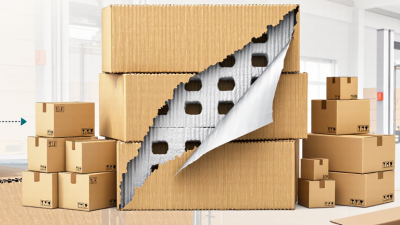
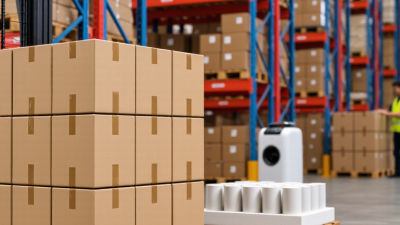
Corrugated boxes protect goods through layered paper construction. Fluted paper sits between strong liner sheets, creating cushioning and stacking strength. This structure absorbs vibration from trucks, cranes, ships, and sorting equipment. It also spreads pressure across the box instead of concentrating force on one point. During long transport, properly sized boxes help prevent shifting, crushing, and surface scratches. However, cardboard is not waterproof. High humidity can weaken its edges and reduce compression strength. That limitation deserves careful attention.

Packing quality matters as much as box design. Fill empty spaces with suitable cushioning, especially around corners and fragile surfaces. Keep heavy items below lighter ones. Seal every opening firmly, and avoid lifting boxes by damaged flaps. Warehouse inspections often reveal a simple problem: the box is too large for its contents. That extra space allows movement during sudden stops. My own packing assumptions would need testing under vibration, stacking, and moisture exposure. No carton performs perfectly in every route.

Tips: Select a box that fits closely. Use edge protection for vulnerable products. Add moisture-resistant wrapping when humidity is likely. Mark weight and handling needs clearly. Check the finished package by gently shaking it. Movement means adjustment is needed.

Which Materials and Designs Improve Shipping Performance?

Corrugated cardboard remains practical for global shipping because its structure absorbs pressure without excessive weight. However, material choice matters more than appearance. A single-wall box suits light products. Heavier goods usually need double-wall construction, stronger fluting, or reinforced corners. B-flute offers better stacking support, while E-flute provides a smoother surface for smaller items. Combining flute profiles can improve compression resistance and cushioning.

The U.S. EPA’s Advancing Sustainable Materials Management report recorded 33.2 million tons of corrugated boxes generated in 2018, with a 96.5% recycling rate. That performance supports fiber-based packaging, but recycled fibers can lose strength after repeated processing. Moisture creates another weakness. The World Bank’s What a Waste 2.0 report estimates global waste could rise from 2.01 billion tonnes in 2016 to 3.40 billion tonnes by 2050. Efficient designs should therefore use less material while protecting contents. Compression testing, vibration testing, and drop testing should follow recognized ISTA procedures. A box that survives stacking may still fail during vibration.

Tips: Select board by product weight, travel distance, and climate exposure. Use edge protectors for fragile corners. Keep internal voids small. Seal every seam evenly. Water-resistant coatings help, but they can complicate recycling. Perfect packaging does not exist. Small details matter. I would test the real packed shipment, not only an ideal laboratory sample. That step often reveals loose inserts, crushed edges, or tape failure.

Why Choose Corrugated Cardboard Boxes for Global Shipping? - Which Materials and Designs Improve Shipping Performance?
Material or Design Typical Construction Relative Compression Strength Typical Shipping Application Performance Advantages Important Limitations
Single-wall corrugated board One fluted paper layer bonded between two linerboards; commonly about 3–5 mm thick. Low to medium Lightweight consumer goods, apparel, books, and small parcel shipments. Low material use, reduced package weight, easy folding, and efficient storage. Less resistant to stacking loads, puncture, and severe handling than multi-wall grades.
Double-wall corrugated board Two fluted layers separated and covered by three linerboards; commonly about 6–8 mm thick. Medium to high Long-distance e-commerce shipments, appliances, heavier goods, and mixed-mode transport. Improved stacking strength, cushioning, puncture resistance, and panel rigidity. Heavier and more expensive than single-wall construction; requires more storage space.
Triple-wall corrugated board Three fluted layers with four linerboards; commonly about 10–15 mm thick. High Industrial equipment, dense products, export crates, and high-load palletized shipments. High edge-crush resistance, strong vertical load performance, and excellent protection for heavy products. Higher cost, greater package weight, and more difficult converting and recycling preparation.
Higher-basis-weight linerboard Stronger or heavier liner paper used on the outer and inner faces of the board. Medium to high, depending on flute and grade Shipments exposed to stacking, vibration, abrasion, or rough manual handling. Improves panel stiffness, surface durability, edge-crush performance, and print resistance. Can increase weight and material consumption if strength is specified above actual shipping needs.
Moisture-resistant treatment Water-resistant coatings, treated liners, or moisture-resistant adhesive systems. Helps retain strength in humid conditions Ocean freight, refrigerated logistics, rainy climates, and shipments passing through humid warehouses. Reduces rapid moisture absorption and helps protect compression performance during exposure to humidity. Water resistance is not the same as waterproofing; coatings may affect recycling compatibility.
Regular slotted carton with full flaps Standard four-flap design with flaps meeting at the center when closed. Medium General-purpose parcel and pallet shipments with predictable dimensions. Efficient production, straightforward sealing, good material utilization, and broad availability. Flap gaps, excessive overhang, or undersized flaps can reduce top-load strength.
Full-overlap or double-cover box Flaps fully overlap or provide an additional layer across the top and bottom panels. Higher than a standard slotted carton Heavy, fragile, or stack-sensitive products requiring reinforced top and bottom surfaces. Improved puncture protection, load distribution, and resistance to conveyor or pallet handling. Uses more board and may require additional labor or automated equipment.
Telescope-style or two-piece box Separate body and lid, often creating double-thickness walls at the opening or seams. Medium to high Long, irregular, delicate, or high-value products that need customized fit and access. Flexible sizing, reinforced edges, and improved protection at vulnerable openings. More components can increase assembly time, dimensional variation, and packing cost.
Interior partitions and molded inserts Corrugated dividers, pads, or formed inserts separating products inside the carton. Does not primarily increase outer-box compression strength Glassware, bottles, electronics, components, and multiple-unit packs. Reduces product-to-product contact, limits movement, and improves vibration and impact protection. Uses additional material and may reduce packing density if clearances are excessive.
Right-sized box with minimal void space Carton dimensions closely matched to the product and protective packaging. Improves effective package performance Parcel networks, air freight, and shipments where dimensional weight affects cost. Reduces product movement, void-fill consumption, dimensional weight, and unnecessary material use. Insufficient clearance can increase impact damage; a small cushioning allowance is still required.
Data note: Performance categories are practical comparative ranges rather than guaranteed test results. Actual strength depends on paper grade, flute profile, board moisture, box dimensions, joint design, closure method, stacking pattern, palletization, and transport conditions. Box compression and stacking performance should be validated using recognized procedures such as ASTM D642, TAPPI T 804, or ISO 12048.

How Corrugated Boxes Support Cost-Efficient International Logistics

Why Choose Corrugated Cardboard Boxes for Global Shipping?

How Corrugated Boxes Support Cost-Efficient International Logistics

Corrugated cardboard boxes help control international shipping costs through low weight and efficient stacking. Their fluted structure adds cushioning without requiring heavy materials. This matters when freight charges depend on both weight and package volume. A well-sized box leaves less empty space around the product. It also reduces the need for extra filler during warehouse packing.

In practical shipping operations, box strength must match the product and route. A double-wall box may protect ceramic parts during long transfers and repeated handling. Smaller cartons can improve pallet density and reduce wasted trailer space. Standard dimensions also make labeling, scanning, and inventory checks easier. These details support more predictable logistics costs. They do not eliminate every risk.

Moisture, compression, and careless loading can still damage a carton. That is why experienced teams test boxes with realistic weight, stacking time, and humidity exposure. A simple trial shipment may reveal weak corners or poor internal support. Sometimes, the cheapest box creates higher replacement and labor costs later. This is easy to overlook. Regular reviews help shippers adjust board grade, carton size, and packing methods as routes change.

Why Corrugated Packaging Is a Sustainable Global Shipping Choice

Corrugated cardboard is a practical choice for global shipping because it protects products with relatively little material. Its fluted inner layer absorbs impacts from truck vibration, conveyor movement, and repeated handling. In packing tests, right-sized boxes leave less empty space and require less void fill. That choice can improve pallet stability during long journeys. Small details matter. A carton that closes flat, stacks evenly, and resists edge crushing can prevent avoidable product damage.

Sustainability begins with efficient design, not just the recycling label. Corrugated packaging commonly uses paper fibers and can enter established recycling systems where local facilities accept it. It is also lightweight, which may reduce shipping weight and fuel demand. Packaging engineers often assess board strength, compression resistance, and moisture exposure before approving a box. This step prevents overpackaging while maintaining reliable protection. Many operations also separate clean cartons from food residue, plastic film, and wet waste.

I once assumed the thickest board was always the safest option. It was not. Excess material increased weight and storage needs without solving the real packing problem. Wet cartons fail quickly. Global routes may involve humidity, rain, and temperature changes, so material selection requires care. Water-resistant treatments can help in some conditions, but they may affect recycling compatibility. That trade-off deserves honest review. The most responsible approach matches box strength, product weight, transport distance, and recovery options instead of choosing a heavier carton by habit.

Need Packaging Solutions?

Get Free Estimate!

1-800-493-7441
Contact Us