Top 10 Packaging Materials You Should Consider for Your Products?
When launching a product, choosing the right packaging materials is crucial. The right choice can enhance product appeal and provide protection. Many businesses overlook this vital decision. They may focus solely on cost or aesthetics, neglecting functionality and sustainability.
In today's market, consumers are increasingly aware of packaging. Eco-friendly materials are becoming essential for attracting a conscious audience. Options like recycled materials or biodegradable solutions are gaining traction. Brands must consider these factors seriously. Failure to do so can lead to lost sales and disappointed customers.
Exploring various packaging materials is key to success. From cardboard to glass, each option offers unique benefits. However, the challenge lies in balancing quality and sustainability. Some materials may look great but fail to protect products adequately. Reflecting on these choices can lead to better business practices and a more loyal customer base.

Top 10 Packaging Materials for Product Protection and Sustainability
When selecting packaging materials, protection and sustainability are crucial. Recently, a report indicated that 70% of consumers prefer eco-friendly packaging. This shift reflects growing awareness about environmental issues. Progressive brands are beginning to redesign their packaging, focusing on biodegradable options. They aim to reduce plastic waste significantly.
Consider materials like recycled paper, which offers excellent protection. It's also lightweight, reducing shipping costs. Another option is bioplastics made from plant materials. They often decompose faster than traditional plastics. However, it's essential to ensure they meet the necessary durability standards.
Tips: Always assess the lifecycle of your packaging. The materials should not only protect the product but also minimize environmental impact. Continuous evaluation of materials is key. Small changes can lead to significant improvements in sustainability. Engage with suppliers to explore innovative solutions. You may uncover surprising options that balance protection and eco-friendliness.
The Role of Biodegradable Materials in Modern Packaging Solutions
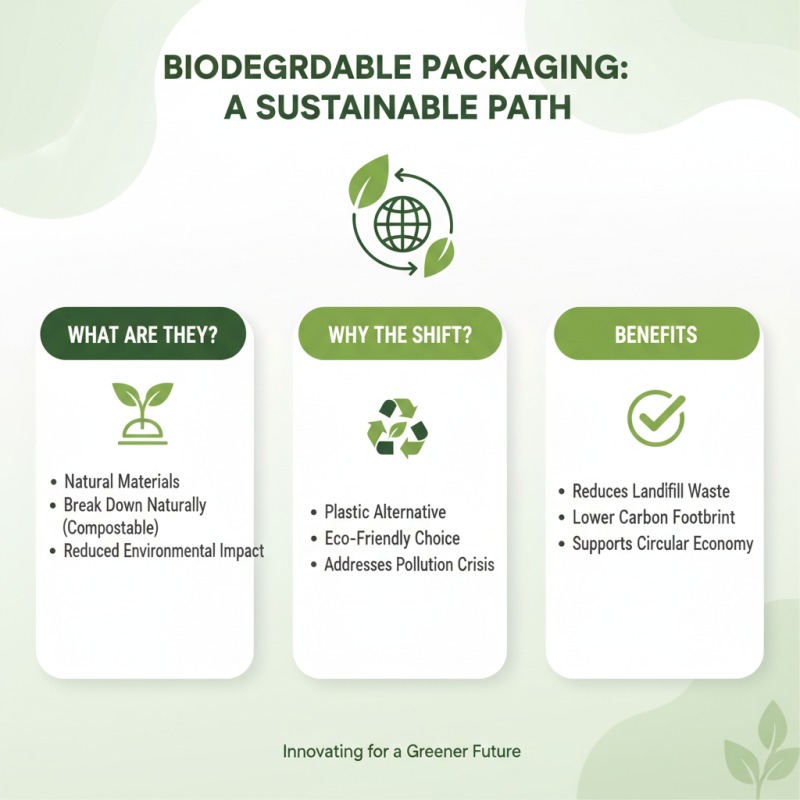
In recent years, biodegradable materials have gained popularity in packaging solutions. Many companies are seeking alternatives to conventional plastics. These materials break down naturally, reducing environmental impact. They offer a promising path toward sustainability.
Biodegradable packaging can be made from various sources. For instance, plant-based polymers are increasingly utilized. They can come from corn or sugarcane. Some options even include mushrooms and seaweed. These materials decompose without harming ecosystems. However, the production processes can also pose challenges. Some aspects still require reflection and improvement to minimize energy use and resource consumption.
Despite the advantages, biodegradable packaging does not solve all issues. A common misconception is that all biodegradable materials are equal. Their decomposition rates vary greatly. Some need specific conditions to break down fully. Additionally, the role of consumer awareness remains crucial. Many people still lack knowledge about proper disposal methods. Encouraging eco-friendly habits is essential for the success of biodegradable solutions.
Comparative Analysis of Plastics vs. Glass in Product Packaging Choices
When choosing packaging materials, the debate between plastics and glass often arises. Plastics are lightweight and shatterproof, making them convenient for transport. They can also be molded into various shapes, offering design flexibility. However, not all plastics are recyclable, and many end up in landfills. This environmental concern is growing as consumers seek sustainable options.
On the other hand, glass is fully recyclable and often perceived as more premium. It protects products well and does not affect taste or quality. However, glass is heavier and more fragile, which can increase shipping costs. Additionally, the energy required for glass production can be quite high. Many businesses find themselves reflecting on these trade-offs. Balancing cost, environmental impact, and customer preferences becomes crucial in packaging decisions. These complexities highlight the importance of making informed choices in product packaging.
Top 10 Packaging Materials You Should Consider for Your Products
| Material |
Cost per Unit |
Weight |
Recyclability |
Durability |
Barrier Properties |
| Plastic (PET) |
$0.10 |
Light |
High |
Moderate |
Good |
| Glass |
$0.30 |
Heavy |
High |
Very High |
Excellent |
| Cardboard |
$0.05 |
Light |
High |
Moderate |
Moderate |
| Aluminum |
$0.25 |
Moderate |
High |
High |
Good |
| Biodegradable Plastic |
$0.20 |
Light |
Moderate |
Low |
Moderate |
| Wood |
$0.40 |
Heavy |
Variable |
High |
Variable |
| Foam |
$0.15 |
Light |
Low |
Low |
Poor |
| Shrink Film |
$0.12 |
Light |
Low |
Moderate |
Moderate |
| Metal |
$0.35 |
Heavy |
High |
Very High |
Good |
| Compostable Film |
$0.22 |
Light |
Moderate |
Moderate |
Moderate |
Innovations in Recyclable Packaging: Trends and Market Impact
Recyclable packaging is witnessing rapid innovation. A recent market report indicated that the global recyclable packaging market is expected to grow by 7.7% annually, reaching over $500 billion by 2025. This growth reflects a societal shift towards sustainability. As consumers become more eco-conscious, brands are adapting their packaging strategies.
Biodegradable options are also gaining traction, yet challenges remain. Not all biodegradable materials decompose effectively. In fact, studies show that only 30% truly break down in typical landfill conditions. Brands must invest in research to ensure effectiveness.
Moreover, many recyclable materials still end up in landfills. According to a 2022 report, nearly 70% of plastic packaging is not recycled. This highlights a critical gap in consumer education and waste management systems. Companies should consider not just the material but also how it will be processed after use. A conscientious approach can minimize waste and enhance marketability.
Cost Efficiency of Various Packaging Materials in Supply Chain Management
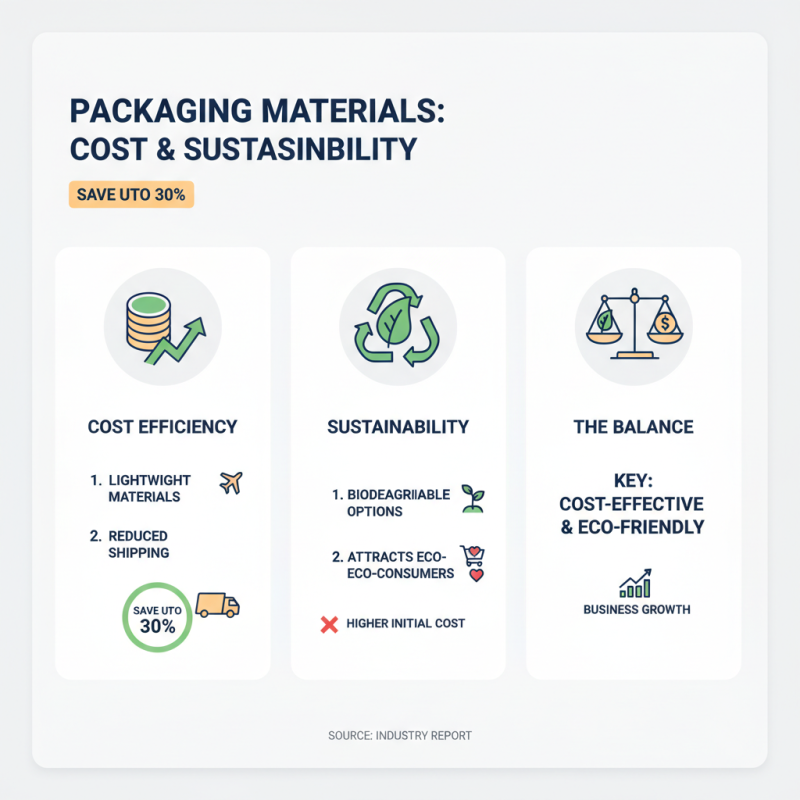
When evaluating packaging materials, cost efficiency is paramount. A recent industry report indicates that businesses can cut packaging costs by up to 30% by choosing the right materials. For instance, lightweight materials reduce shipping costs significantly. Choosing biodegradable packaging can also attract eco-conscious consumers, but the initial costs may be higher. Balancing sustainability with cost-effectiveness is key.
The decision-making process isn’t straightforward. Some materials perform well in specific conditions but are expensive. For example, glass is recyclable and offers excellent product protection, yet transportation costs can be high. A study by the Packaging Institute showed that companies using corrugated cardboard reduced their overall costs by approximately 20%. This highlights the importance of evaluating not just the price, but also the overall supply chain implications of each material choice.
Many companies overlook hidden costs related to packaging storage and handling. For example, flexible packaging may take up less storage space but could be perceived as lower quality. Companies need to reflect on these details to ensure their packaging not only maximizes efficiency but also aligns with their brand image. Striking the right balance between cost and customer perception is a complex yet necessary challenge in today’s market.