What is the Importance of Shipping Boxes in E Commerce?
In the fast-paced world of e-commerce, shipping boxes play a crucial role. They are not merely containers but guardians of products during transit. The right shipping boxes can determine whether an item arrives intact or damaged. Imagine a fragile glass vase in a flimsy box. This scenario highlights the significance of choosing appropriate packaging.
Customers expect their orders to arrive safely and on time. A well-designed shipping box ensures that goods are protected from external elements. However, many businesses still overlook the importance of quality packaging. This can lead to customer dissatisfaction and increased return rates.
Moreover, branding opportunities exist with shipping boxes. Creative designs can enhance the unboxing experience. Yet, not every company invests in this aspect, missing a chance to impress their audience. Ultimately, shipping boxes reflect business values and commitment to customer service. The importance of shipping boxes in e-commerce is often underestimated, yet they are essential to success.

The Role of Shipping Boxes in E-Commerce Logistics
Shipping boxes play a crucial role in e-commerce logistics. They protect products during transportation and ensure safe delivery to customers. Research shows that nearly 30% of online shoppers abandon their carts due to concerns over shipping quality. A sturdy box can reduce this risk. Proper packaging not only safeguards items but also enhances brand perception.
When selecting shipping boxes, consider the material and size. Corrugated cardboard is popular due to its strength and lightweight nature. Custom-sized boxes minimize movement during transit, reducing damage. It's essential to evaluate how packaging affects shipping costs. Oversized boxes can lead to increased fees. Efficiency is key.
Tips: Always use the right cushioning materials to fill voids in boxes. This prevents damage during transit. Also, test different box designs to see which ones resonate better with customers. Feedback is vital. Reflecting on your packaging approach can lead to improved logistics.
Types of Shipping Boxes Used in E-Commerce
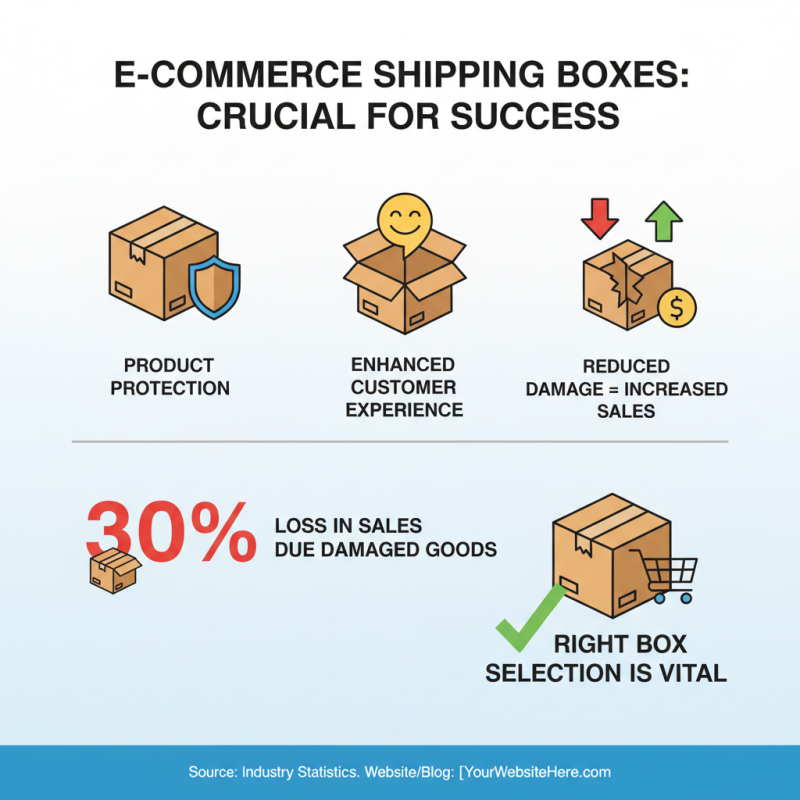
Shipping boxes play a crucial role in e-commerce. Various types of boxes are used to enhance the customer experience during online shopping. The right shipping box can protect products and reduce damage in transit. Statistics show that damaged goods can result in a 30% loss in sales for retailers. Therefore, selecting the appropriate shipping box is vital.
There are several types of shipping boxes commonly utilized in e-commerce. Corrugated boxes are the most popular choice. They are lightweight and provide great protection. According to a report by Smithers Pira, corrugated box consumption is expected to reach 407 million metric tons by 2023. This underscores the growing reliance on these boxes. Another option is padded mailers. These offer lightweight protection for smaller items. They reduce shipping costs but may not be ideal for fragile goods.
Rigid boxes are also a growing trend. They offer high protection and an upscale appearance, appealing to premium brands. However, they can be costly and may not be suitable for all products. Ultimately, businesses must balance protection, cost, and customer experience when choosing shipping boxes. Careful consideration is necessary. Adjustments may be required as needs change and the market evolves.
Benefits of Quality Shipping Boxes for Product Protection
Shipping boxes play a crucial role in the e-commerce landscape. High-quality shipping boxes protect products during transit. A report from Packaging Strategies indicates that 30% of online returns happen due to damaged items. This underscores the need for robust packaging solutions.
When selecting shipping boxes, consider material strength. Corrugated boxes provide excellent cushioning. They are lightweight, reducing shipping costs. Using the right box minimizes the risk of damage. A study from the World Packaging Organization highlights that protective packaging can reduce returns by up to 25%.
Tips: Always measure your product accurately. It helps in choosing the right size box. Too much space may lead to movement and potential damage. Also, consider using padding materials for fragile items. A little extra care goes a long way in ensuring customer satisfaction.
Environmental Considerations in Shipping Box Materials
Shipping boxes play a crucial role in e-commerce. Their materials can have a significant impact on the environment. Many companies still choose traditional options like plastic or non-recyclable materials. This results in pollution and waste. It’s vital for the industry to shift towards sustainable practices.
Consumers are becoming more aware. They seek brands that prioritize ecological responsibility. This trend pushes companies to consider eco-friendly box materials. Options like recycled paper, biodegradable plastics, and even plant-based materials are gaining traction. Still, not all brands are making this transition. Some use minimal recyclable materials just to claim sustainability.
Choosing the right materials can be challenging. Companies must balance functionality with environmental impact. The cost of sustainable materials often deters smaller businesses. Yet, the long-term benefits of eco-friendly shipping boxes can outweigh these initial expenses. It’s a complex issue that demands further exploration and awareness.
What is the Importance of Shipping Boxes in E Commerce? - Environmental Considerations in Shipping Box Materials
| Material Type |
Recyclability |
Carbon Footprint |
Cost Efficiency |
Durability |
| Cardboard |
Yes |
Low |
High |
Moderate |
| Plastic |
Depends on type |
High |
Low |
High |
| Biodegradable |
Yes |
Low |
Moderate |
Moderate |
| Recycled Paper |
Yes |
Low |
High |
Moderate |
Cost Implications of Shipping Box Choices in E-Commerce
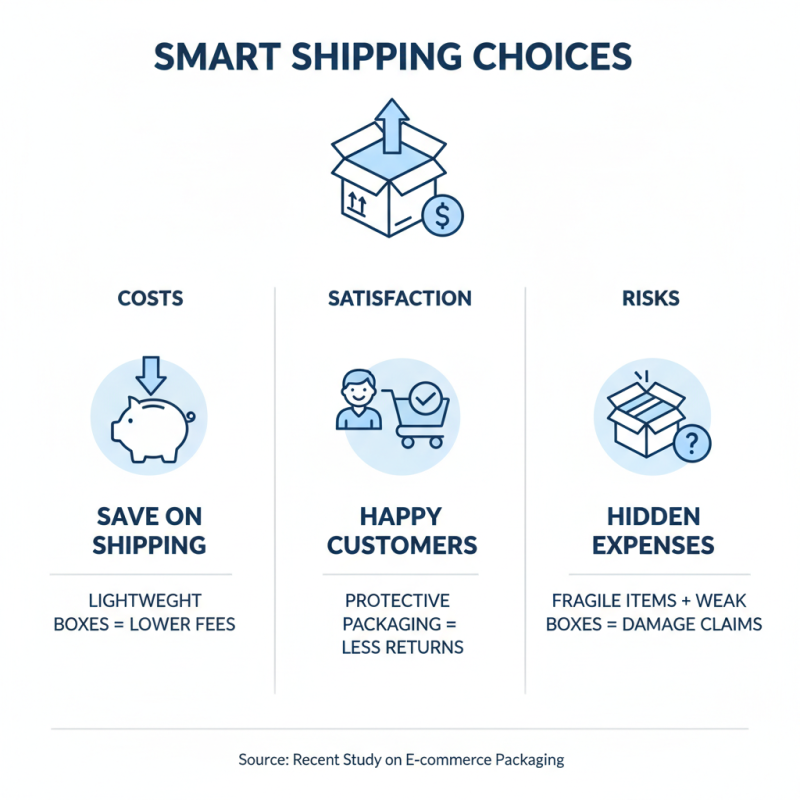
In the realm of e-commerce, shipping box selection is more than just packaging. It significantly impacts costs and customer satisfaction. According to a recent study, nearly 30% of consumers have abandoned their carts due to high shipping costs. This reflects the growing importance of packaging choices. When choosing shipping materials, companies often overlook hidden costs. For instance, lightweight boxes can reduce shipping fees. However, they may not protect fragile items adequately.
A survey from the Packaging Association found that 50% of respondents prefer eco-friendly packaging. Brands that prioritize sustainability can attract more customers. Yet, environmentally friendly options can carry a higher initial cost. The challenge lies in balancing cost and customer expectations. Companies may end up spending more on damaged goods if they compromise on quality to save money. An estimated 23% of returns are due to poor packaging, which directly affects profit margins.
Investing in better shipping boxes can save money long-term. While the upfront cost may seem high, sturdy packaging reduces returns. The key is understanding the trade-offs involved. E-commerce businesses need to reflect on their shipping strategies. Ignoring these implications may lead to increased expenses and customer dissatisfaction.