Top Trends in Food Packaging Strategies for Sustainability and Safety
As the demand for sustainable practices intensifies across industries, the food packaging sector stands out as a crucial area for innovation and responsibility. Food packaging not only serves the fundamental purpose of preserving food and ensuring safety, but it also plays a significant role in environmental impact and consumer perception. In today's market, consumers are becoming increasingly aware of the importance of sustainability, prompting food manufacturers and packaging companies to rethink their strategies.
Emerging trends in food packaging highlight a collective shift toward eco-friendly materials and practices, focusing on reducing waste, minimizing carbon footprints, and utilizing recyclable or biodegradable materials. Simultaneously, the emphasis on safety remains paramount. Packaging must not only protect food from contamination but also align with consumer expectations for health and environmental stewardship. This article explores the intricate balance of sustainability and safety in food packaging, examining the latest strategies and innovations that are shaping the future of the industry. By understanding these trends, stakeholders can better navigate the evolving landscape and contribute to a more sustainable food system.
Innovative Materials: Biodegradable and Compostable Food Packaging Options
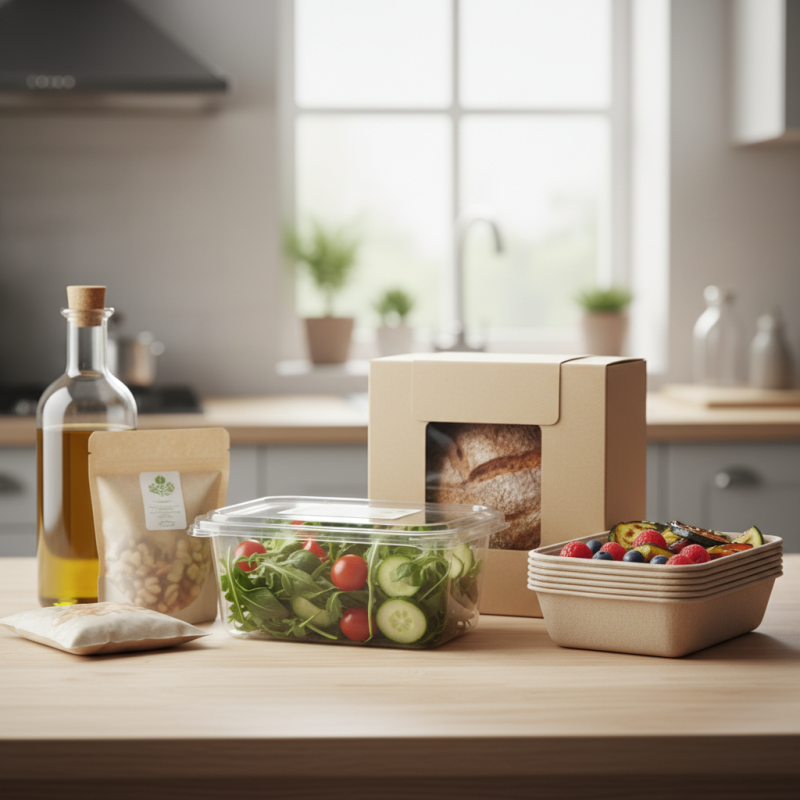
The push for sustainability in food packaging has led to the emergence of innovative materials that are both biodegradable and compostable. These options provide an excellent alternative to traditional plastic packaging by breaking down naturally in the environment, reducing pollution and waste.
Materials such as plant-based plastics, mushroom mycelium, and seaweed-based films are gaining popularity among manufacturers looking to lessen their environmental footprint. These advances not only contribute to sustainability but also address consumer demand for greener products.
When considering biodegradable and compostable packaging solutions, it's essential to understand the differences between them. Biodegradable materials can break down into natural elements in a specific timeframe, while compostable materials require specific conditions to decompose fully and contribute to the soil. When selecting packaging options for your business, ensure that they meet the necessary certifications for both biodegradability and compostability to maintain transparency and consumer trust.
Tips for implementing sustainable packaging strategies include evaluating your supply chain and seeking partners who prioritize eco-friendly materials. Transitioning gradually can help manage costs and ensure compatibility with existing processes. Additionally, educating consumers about the proper disposal methods for these materials can enhance their effectiveness and encourage responsible behavior, creating a more sustainable culture around food packaging.
Enhancing Food Safety: Packaging Innovations to Prevent Contamination
In recent years, the food packaging industry has witnessed significant innovations aimed at enhancing food safety. One of the key trends is the development of antimicrobial packaging materials. These materials are designed to inhibit the growth of harmful bacteria and pathogens, thus reducing the risk of contamination during storage and transport. By integrating natural or synthetic antimicrobial agents into packaging, manufacturers can create a barrier that not only preserves food quality but also extends shelf life, ensuring that consumers receive safe products.
Another notable advancement is the use of smart packaging technologies. These innovations often include sensors that monitor the conditions surrounding food products, providing real-time data on freshness and safety. For instance, some smart packaging systems can detect gas emissions associated with spoilage and change color to signal the need for immediate consumption or disposal. This proactive approach to food safety empowers consumers to make informed choices while also reducing food waste. By implementing these cutting-edge techniques, the food industry is taking crucial steps toward safeguarding public health while promoting sustainable practices in food packaging.
Top Trends in Food Packaging Strategies for Sustainability and Safety
Consumer Awareness: The Role of Transparency in Food Packaging Choices
Consumer awareness has become a pivotal factor in shaping food packaging choices, particularly concerning sustainability and safety. Today's consumers are more informed than ever, seeking transparency in the products they purchase. This increased scrutiny compels brands to be clear about their packaging materials, sourcing practices, and the environmental impact of their products. As buyers prioritize eco-friendly and non-toxic options, the demand for packaging that communicates sustainability credentials—like recyclability and compostability—grows significantly.
Tip: When selecting food products, pay attention to labels that detail packaging materials and sustainability practices. Look for certifications indicating that the packaging is made from recycled or biodegradable materials.
The role of transparency goes beyond just the packaging itself; it influences consumers' trust in the brand. Companies that openly share their sustainability goals and practices are more likely to build loyalty among eco-conscious consumers. This connection not only enhances brand reputation but also encourages consumers to make informed choices, ensuring that every purchase contributes to a more sustainable future.
Tip: Advocate for transparency by supporting brands that provide detailed information about their packaging choices and sustainability initiatives. Engage with companies on social media, asking questions about their practices to encourage a more open dialogue.
Circular Economy: Strategies for Reusing and Recycling Food Packaging
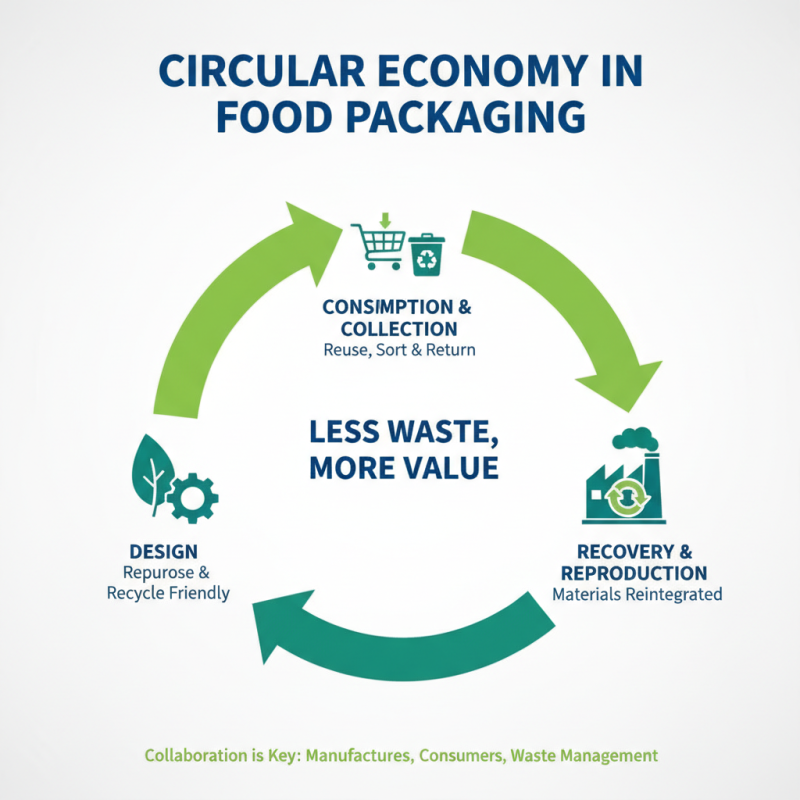
The concept of the circular economy is gaining traction in food packaging strategies, emphasizing the importance of reusing and recycling materials to minimize waste. By designing packaging that can be repurposed or recycled, companies can significantly reduce their environmental footprint. This approach requires collaboration among manufacturers, consumers, and waste management systems to ensure that materials are recovered and reintegrated into the production cycle. Innovative designs that facilitate easier disassembly and sorting of packaging materials play a crucial role in this process, allowing for more efficient recycling.
Moreover, introducing biodegradable materials and compostable options enhances the sustainability of food packaging. These alternatives not only break down more quickly in natural environments but also align with consumer demand for eco-friendly products. Companies are increasingly exploring partnerships with organizations that focus on waste reduction and resource recovery, elevating their commitment to sustainability. Educating consumers on proper disposal methods and the benefits of the circular economy is vital, as well-informed choices can drive market demand for sustainable packaging solutions.
Regulatory Frameworks: Global Standards for Sustainable Food Packaging
The regulatory frameworks governing sustainable food packaging have evolved significantly in response to growing environmental concerns and consumer awareness. Various global standards have been established to ensure that food packaging not only safeguards products but also minimizes ecological impact. Organizations such as the ISO (International Organization for Standardization) and the EU (European Union) have implemented guidelines that emphasize the use of recyclable and biodegradable materials. These frameworks encourage the food industry to adopt sustainable practices that align with broader environmental goals.
As businesses aim to comply with these regulations, they should consider certain tips to enhance their packaging strategies. First, conducting a thorough assessment of materials used in packaging can reveal opportunities for sustainability. Opting for materials with lower environmental footprints can meet regulatory requirements while appealing to environmentally conscious consumers. Additionally, investing in innovative packaging technologies, such as compostable films or reusable containers, can set a brand apart in a competitive market.
Furthermore, staying informed about regional and international legislation is crucial for businesses engaged in food packaging. Regularly reviewing guidelines from relevant authorities can help ensure compliance and promote the continuous improvement of packaging practices. Engaging with industry groups focused on sustainability can provide valuable insights and resources to navigate the regulatory landscape effectively.
Top Trends in Food Packaging Strategies for Sustainability and Safety - Regulatory Frameworks: Global Standards for Sustainable Food Packaging
| Trend |
Description |
Regulatory Framework |
Impact on Sustainability |
Safety Considerations |
| Biodegradable Materials |
Use of materials that decompose naturally |
EU Plastics Strategy |
Reduces landfill waste |
Minimized chemical leaching |
| Reduced Packaging |
Minimizing the amount of material used |
Packaging Waste Directive |
Lower resource use |
Easier to recycle or dispose |
| Smart Packaging |
Use of sensors to monitor freshness |
FDA Food Safety Modernization Act |
Enhances product life |
Informs about spoilage |
| Recyclable Packaging |
Materials designed for recycling |
Circular Economy Package |
Supports recycling systems |
Reduces environmental toxins |
| Edible Packaging |
Packaging that can be consumed |
USDA Food Labeling Regulations |
Eliminates waste |
Considerations for allergens |