In the fast-paced world of food distribution, ensuring the freshness of produce is a paramount concern for growers, distributors, and retailers alike. The critical role of effective produce packaging cannot be overstated, as it serves not only as a protective barrier but also as a marketing tool that communicates quality and care. As consumers become more discerning about the food they purchase, optimum packaging solutions are essential for maintaining the integrity of fresh goods while enhancing their visual appeal.
This guide presents ten essential tips for effective produce packaging designed to maximize freshness and extend shelf life. From selecting the right materials to incorporating innovative design techniques, these strategies will empower stakeholders in the produce supply chain to improve their packaging processes. By understanding the nuances of produce packaging, businesses can minimize spoilage, reduce food waste, and ultimately provide a better experience for their customers. Embrace these tips to elevate your packaging game and contribute to a more sustainable future for the produce industry.
Effective produce packaging plays a crucial role in reducing food waste, a significant issue in today's society. Fresh fruits and vegetables are highly perishable and can quickly lose their quality without proper protection. By employing the right packaging strategies, we can help preserve their freshness, extending their shelf life and minimizing waste.
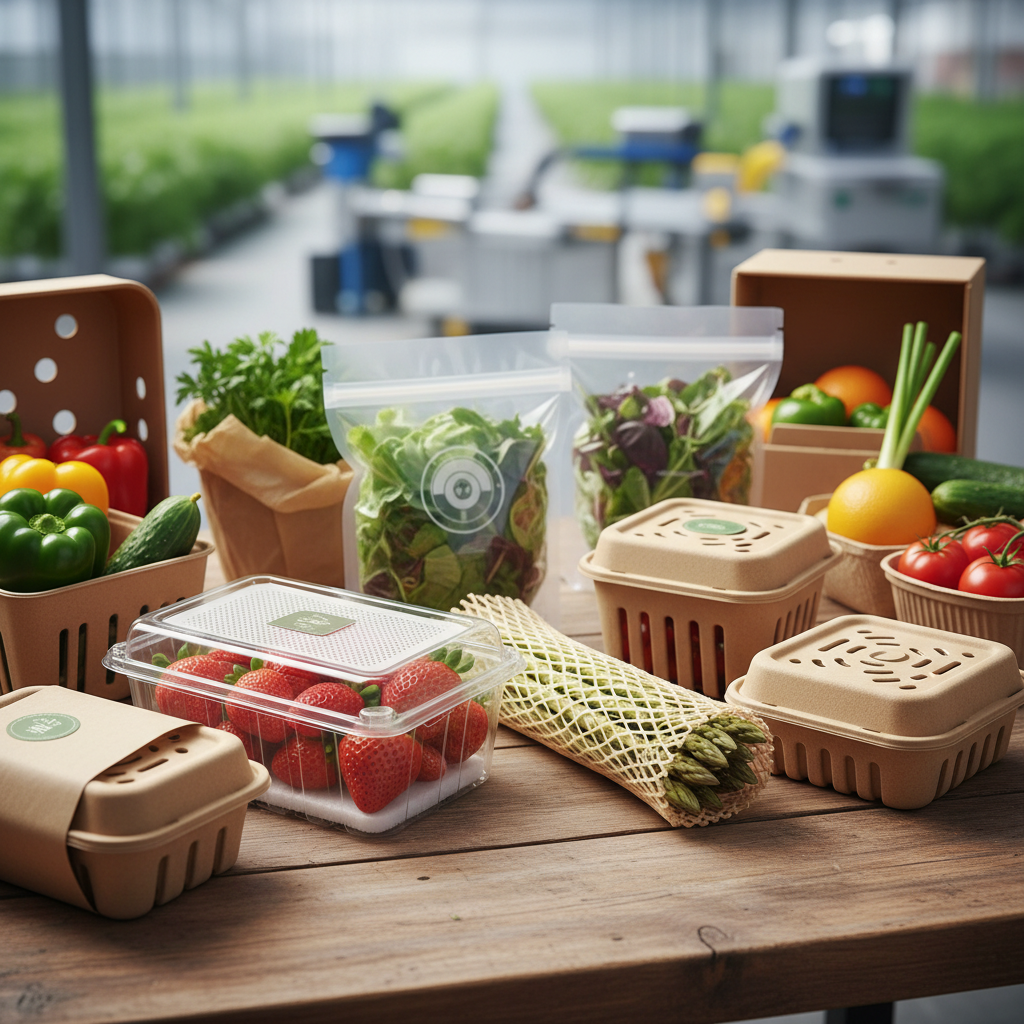
One essential tip is to use breathable materials that allow for air circulation. This helps maintain optimal humidity levels, preventing excess moisture that can lead to decay. Another recommendation is to package produce in smaller portions; this not only makes it easier for consumers to consume the entire product but also reduces the likelihood of vegetables and fruits being discarded due to spoilage after opening.
Additionally, incorporating sustainable packaging options can contribute to reducing environmental impact. Materials that are biodegradable or recyclable can help mitigate the amount of waste produced, ensuring that the benefits of fresh produce extend beyond just their immediate consumption. By prioritizing effective packaging, we not only enhance the longevity of our food but also take significant steps towards minimizing food waste and promoting sustainability.

Modified Atmosphere Packaging (MAP) plays a crucial role in enhancing the freshness and prolonging the shelf life of perishable produce. By altering the composition of the gases surrounding the fruits and vegetables, MAP significantly slows down the processes of respiration and ripening. Typically, the oxygen levels are reduced while carbon dioxide is increased, creating an ideal environment that inhibits spoilage and decay. This method not only preserves the quality of the produce but also retains its nutritional value, making it a preferred choice for suppliers aiming to meet consumer demand for fresh, nutritious food.
Moreover, effective produce packaging utilizing MAP aids in minimizing food waste, a pressing issue in today’s society. As produce remains fresh for longer periods, it reduces the likelihood of spoilage during transportation and storage. Retailers benefit from extended shelf life, resulting in less frequent restocking and improved inventory turnover. Additionally, consumers enjoy longer-lasting freshness, which translates to greater satisfaction and reduced trips to the grocery store. By investing in modified atmosphere packaging, both producers and retailers can contribute to a more sustainable food supply chain while catering to the growing awareness of food quality among consumers.
In the ever-evolving landscape of food packaging, incorporating eco-friendly materials has become vital for enhancing freshness while maintaining sustainability. Recent research highlights the potential of natural ingredients, such as chitosan films and cellulose nanofibers from vegetable residues, which can significantly improve the preservation of various food products. These bioactive materials not only help in prolonging shelf life but also minimize environmental impact, aligning with the growing shift towards sustainable packaging.
When designing packaging for fresh produce, consider these essential tips:
Lastly, it is crucial to evaluate the entire lifecycle of packaging solutions. Adopting a cradle-to-cradle approach allows businesses to design products that can be reclaimed, recycled, or safely composted, minimizing waste and fostering environmental stewardship. By integrating these eco-friendly innovations, businesses can not only enhance freshness but also play a pivotal role in building a sustainable future for food packaging.
Temperature-controlled packaging plays a crucial role in retaining the quality of fresh produce. By maintaining optimal temperature conditions, such packaging minimizes the effects of spoilage and decay caused by fluctuations in ambient temperature. This is particularly important in the fresh produce sector, where factors like respiration rates and the growth of microorganisms can significantly impact the freshness and longevity of fruits and vegetables. Integrating advanced insulation materials and phase change materials can further enhance the efficiency of such packaging solutions, ensuring that produce remains in fresh condition during transportation and storage.
Moreover, with the recent advancements in technology, temperature-controlled packaging systems can be equipped with real-time monitoring devices. These devices can track the temperature conditions throughout the supply chain, alerting stakeholders if there are any deviations from the set parameters. By leveraging this data, manufacturers can implement better inventory management practices, reducing waste and enhancing overall product quality. This modern approach not only extends the freshness of produce but also aligns with broader economic trends where quality retention is increasingly linked to consumer satisfaction and business success.
| Tip Number | Tip Title | Description | Impact on Freshness |
|---|---|---|---|
| 1 | Use Breathable Materials | Choose packaging that allows for air circulation to prevent moisture buildup. | Prevents spoilage and extends shelf life. |
| 2 | Implement Temperature-Controlled Packaging | Integrate cooling packs or insulated boxes to maintain optimal temperatures during transit. | Significantly reduces decay and maintains quality. |
| 3 | Choose the Right Size Packaging | Select packaging that fits snugly around the produce, minimizing movement during transport. | Reduces bruising and damage. |
| 4 | Utilize Ethylene Gas Management | Incorporate materials that absorb ethylene gas to slow ripening. | Extends freshness of fruits and vegetables. |
| 5 | Incorporate Moisture Control Features | Use materials that can absorb excess moisture, preventing mold and decay. | Keeps produce dry and fresh. |
| 6 | Label Packaging Clearly | Use clear labeling to inform handlers of temperature and humidity requirements. | Ensures proper handling and storage conditions. |
| 7 | Opt for Sustainable Materials | Choose recyclable or biodegradable materials to reduce environmental impact. | Appeals to eco-conscious consumers. |
| 8 | Test Packaging Durability | Conduct tests to ensure packages withstand transportation stress. | Reduces loss and waste due to damage. |
| 9 | Monitor Temperature During Shipping | Use temperature sensors to monitor conditions in real-time. | Ensures compliance with required conditions, reducing spoilage. |
| 10 | Educate Staff on Best Practices | Implement training programs to help staff understand packaging importance. | Improves overall efficiency and product quality. |
Smart packaging technologies have emerged as pivotal solutions in enhancing the freshness and quality of produce. With the global market for battery-free RFID sensors projected to reach $9.5 billion by 2033, there is an escalating demand for IoT and sensor technologies. These innovations facilitate real-time monitoring of fresh produce, ensuring that quality standards are maintained throughout the supply chain. Current projections indicate that the global AI packaging market will surge from $2.4 billion in 2024 to $6.2 billion by 2034, reflecting a significant compound annual growth rate (CAGR) of 10.1%. This growth underscores the increasing reliance on smart packaging to achieve transparency and efficiency in inventory management.
The sustainable packaging equipment market is also likely to thrive, expected to exceed $157.6 billion in 2024 and achieve a CAGR of over 7.3% from 2025 to 2034. This growth correlates with heightened consumer appetite for eco-friendly and quality-preserving packaging solutions. For instance, active packaging technologies play a critical role in extending the shelf life of meat products by inhibiting spoilage. These advancements indicate a transformative shift in how the food packaging industry addresses freshness and safety, driven by innovation and consumer demand for quality produce.
This bar chart illustrates the effectiveness of various smart packaging technologies in extending the freshness of produce. The data represents the percentage of freshness retention after one week for different packaging strategies.
Get Free Estimate!