...

Blog

Home Blog

What is Eco Friendly Packaging Materials and Why They Matter for Sustainability

In an increasingly environmentally conscious world, the importance of eco friendly packaging materials cannot be overstated. As consumers become more aware of their ecological footprint, businesses are urged to adopt sustainable practices that not only reduce waste but also promote a healthier planet. Eco friendly packaging materials are designed to minimize environmental impact through the use of renewable resources and biodegradable components, thus playing a crucial role in the circular economy. This shift towards sustainability in packaging is not just a trend but a necessity as global challenges such as pollution and resource depletion continue to escalate.

What is Eco Friendly Packaging Materials and Why They Matter for Sustainability

Adopting eco friendly packaging materials offers numerous benefits, from reducing landfill waste to lowering carbon emissions during production and disposal. Additionally, companies that prioritize sustainable packaging can enhance their brand image and build stronger relationships with environmentally conscious consumers. As we explore the "2025 Top 5" eco friendly packaging materials, it becomes evident that innovation and commitment to sustainability can lead to a significant positive impact on our environment. Understanding the value of these materials and their contribution to sustainability is essential for both businesses and consumers in making informed choices that ultimately benefit our planet.

Understanding Eco-Friendly Packaging: Key Concepts and Definitions

Eco-friendly packaging refers to materials that have a minimal impact on the environment throughout their lifecycle. Key concepts in eco-friendly packaging include biodegradability, compostability, and the use of renewable resources. Biodegradable materials can break down over time through natural processes, reducing waste in landfills. Compostable packaging goes a step further, breaking down into organic matter that can enrich the soil when properly processed. Utilizing renewable resources, such as plant-based materials, helps decrease reliance on fossil fuels and diminishes the carbon footprint associated with traditional packaging.

Moreover, eco-friendly packaging often emphasizes reduced material usage, which not only lessens environmental impact but also promotes overall efficiency in production and transportation. Lightweight and minimalistic designs can significantly cut down on energy consumption and emissions during shipping. Additionally, the concept of recyclability plays a crucial role, as packaging designed to be easily recycled can contribute to a circular economy, where materials are reused rather than discarded.

Understanding these key definitions and concepts allows consumers and businesses alike to make informed choices that support sustainability and reduce environmental harm.


Types of Eco-Friendly Packaging Materials: A Comprehensive Overview

What is Eco Friendly Packaging Materials and Why They Matter for Sustainability

Eco-friendly packaging materials play a crucial role in the movement towards sustainability. These materials are designed to reduce environmental impact, using renewable resources and minimizing waste. According to a recent report by Smithers Pira, the global market for sustainable packaging is expected to reach $500 billion by 2024, highlighting the increasing demand for eco-conscious solutions across various industries.

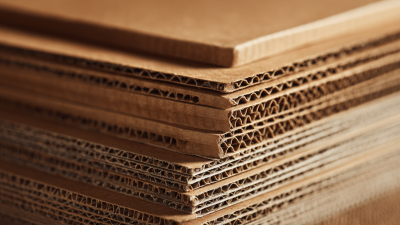
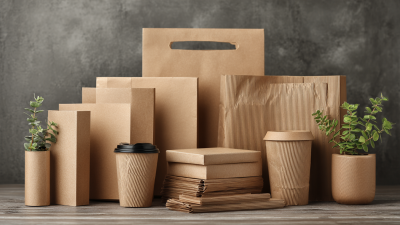
There are several types of eco-friendly packaging materials available today, including biodegradable plastics, recycled paper, and plant-based materials. Biodegradable plastics, for instance, are made from organic materials and break down naturally, reducing landfill waste. In contrast, recycled paper and cardboard utilize post-consumer waste, which not only conserves natural resources but also directs waste away from landfills. The use of these materials can significantly decrease the carbon footprint of packaging—research indicates that adopting recycled paper can save 60% more energy compared to using virgin paper.

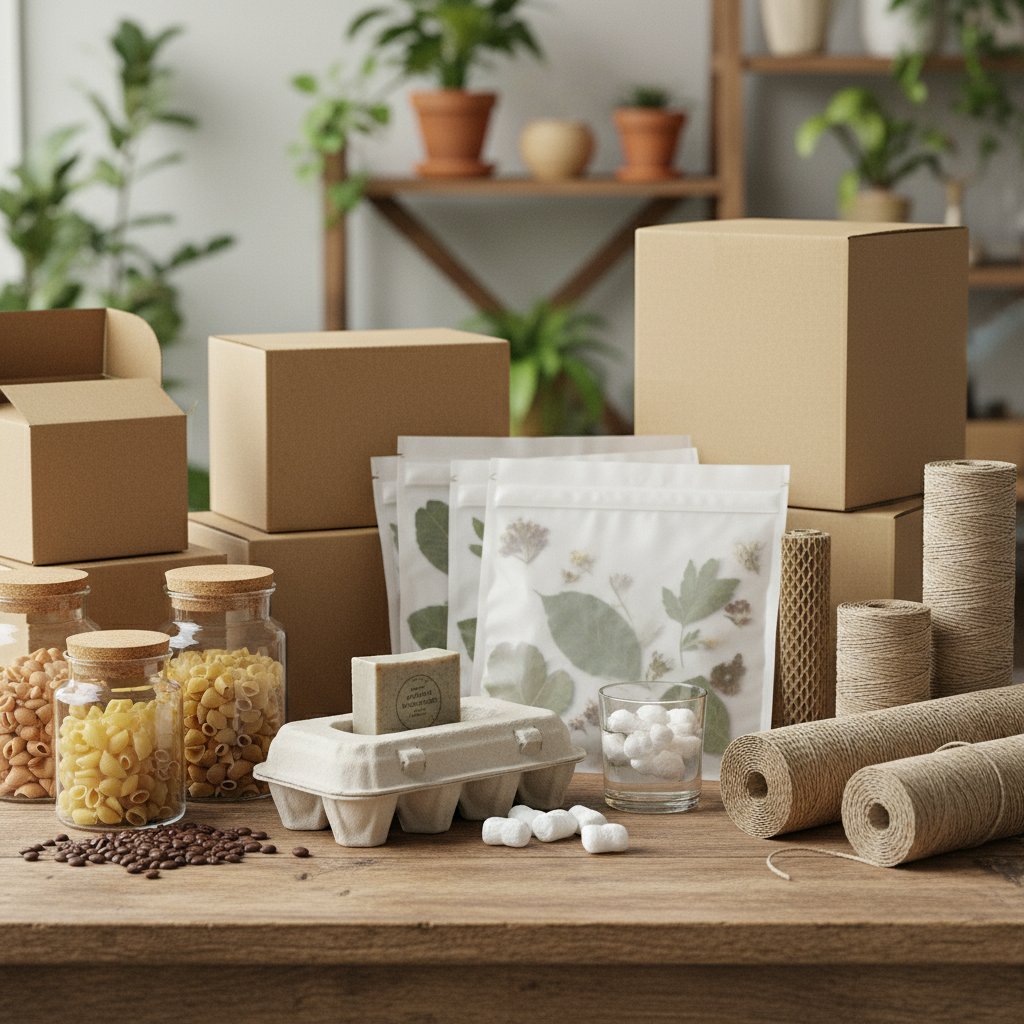
Tips for Businesses: Transitioning to eco-friendly packaging can attract environmentally conscious consumers. Start by evaluating your current packaging options and consider incorporating materials such as hemp, starch-based polymers, or glass, all of which have a lower environmental impact and appeal to a growing market segment. Additionally, educate your customers about your sustainable choices to enhance brand loyalty and encourage eco-friendly practices.

Benefits of Eco-Friendly Packaging for Businesses and Consumers

What is Eco Friendly Packaging Materials and Why They Matter for Sustainability

Eco-friendly packaging materials are becoming increasingly important for both businesses and consumers, offering a range of benefits that promote sustainability. For businesses, utilizing eco-friendly packaging can enhance brand image and attract environmentally conscious consumers. By demonstrating a commitment to sustainability, companies can differentiate themselves in a competitive market, fostering customer loyalty and increasing sales. Additionally, eco-friendly materials often reduce packaging costs over time, as they can be lighter and more efficient, leading to lower shipping expenses.

For consumers, the benefits of eco-friendly packaging go beyond personal ethics; they contribute to a healthier planet. By choosing products with sustainable packaging, consumers support a circular economy that minimizes waste and reduces pollution. These materials are often biodegradable or recyclable, ensuring that they have a lesser impact on the environment compared to traditional packaging options. Furthermore, many consumers today actively seek out brands that reflect their values, making eco-friendly packaging a significant factor in purchasing decisions. As awareness of environmental issues continues to grow, both parties stand to gain from a shift towards more sustainable packaging solutions.

Innovative Trends in Sustainable Packaging Solutions

In recent years, the packaging industry has seen a significant shift toward sustainable solutions, driven by increasing consumer demand and regulatory pressures. According to a report by Smithers Pira, the global market for sustainable packaging is expected to reach $500 billion by 2027, growing at a compound annual growth rate (CAGR) of 5.1%. This trend is largely fueled by innovative materials and technologies that not only reduce environmental impact but also enhance brand value.

Among the standout innovations in sustainable packaging are plant-based materials, biodegradable plastics, and recyclable films. For instance, a study by Grand View Research indicates that the bioplastic market alone is projected to grow to $44.4 billion by 2026, with increasing applications in food and beverage packaging. Furthermore, companies are exploring advanced technologies such as smart packaging that incorporates sensors to reduce food waste and improve shelf life, contributing to sustainability goals without compromising functionality. These trends not only fulfill corporate social responsibility but also align with consumer preferences for eco-friendly products, reinforcing the importance of sustainable packaging in today’s market.

Eco-Friendly Packaging Materials Usage in 2023

Challenges and Solutions in Implementing Eco-Friendly Packaging Practices

The shift towards eco-friendly packaging materials is not without its challenges. One of the primary obstacles faced by companies is the higher cost associated with sourcing sustainable materials. According to a 2022 report by Smithers Pira, eco-friendly packaging is estimated to cost about 5-25% more than conventional options. This cost increment can deter businesses, particularly small and medium-sized enterprises, from adopting sustainable practices, as they may prioritize immediate profitability over long-term sustainability goals.

Moreover, the lack of infrastructure for recycling and composting in many regions poses significant hurdles. The 2021 Global Recycling Foundation report highlighted that only about 20% of plastic packaging is recycled globally. This inefficiency not only undermines the efforts of companies attempting to implement eco-friendly solutions but also contributes to environmental degradation. However, innovative solutions are emerging, such as developing biodegradable alternatives and investing in closed-loop systems. Companies like Nestlé are exploring renewable materials that can be composted, offering a promising pathway for the industry to overcome these challenges and enhance sustainability in packaging.

What is Eco Friendly Packaging Materials and Why They Matter for Sustainability - Challenges and Solutions in Implementing Eco-Friendly Packaging Practices

Material Type Description Benefits Challenges Solutions
Biodegradable Plastics Plastics that decompose naturally in the environment. Reduces plastic waste, mimics traditional plastics. Limited industrial composting facilities. Increase public awareness and facilities development.
Recycled Paper Paper products made from post-consumer waste. Saves trees, uses less energy in production. Potential quality issues compared to virgin paper. Invest in recycling technology for better quality.
Glass A recyclable and reusable material. 100% recyclable, reduces landfill waste. Heavy and breakable, higher transportation costs. Innovate lighter designs and improve logistics.
Plant-Based Materials Materials derived from natural plant sources. Sustainable use of materials and carbon management. Cost and availability of raw materials. Develop local supply chains and research alternatives.
Mushroom Packaging Biodegradable packaging made from mycelium. Compostable, reduces landfill waste. Limited awareness and market acceptance. Increase marketing efforts and consumer education.
Need Packaging Solutions?

Get Free Estimate!

1-800-493-7441
Contact Us