How to Create Effective Packaging That Attracts Buyers?
Packaging is a vital aspect of product marketing. It serves as the first impression for potential buyers. When you create packaging, consider how it reflects your brand identity. Effective packaging should not only look appealing but also communicate essential product information.
To create packaging that attracts buyers, focus on visual elements. Use colors, typography, and graphics strategically. These elements should resonate with your target audience. For instance, luxury products often use elegant designs. In contrast, eco-friendly brands may emphasize natural materials. However, striking the right balance can be challenging. You must avoid overwhelming consumers with too much information or clutter.
Think about functionality, too. Well-designed packaging enhances user experience. It should be easy to open and carry. Reflecting on feedback can guide improvements. Regularly reassess your packaging strategy to stay relevant. Creating effective packaging is not just an art—it's a blend of creativity, market understanding, and ongoing refinement.

Understanding Consumer Behavior in Packaging Design
Effective packaging design plays a crucial role in attracting buyers. Understanding consumer behavior can enhance this process. Packaging is often the first point of interaction. It can influence a customer's perception and decision-making.
Tips: Use colors that evoke emotions. Bright colors can attract attention, while softer tones can communicate sophistication. Keep the design simple yet compelling. Complex designs can confuse shoppers, leading to avoidance.
Material choice matters too. Eco-friendly packaging is increasingly preferred. Consumers appreciate brands that demonstrate environmental responsibility. This preference can boost brand loyalty.
Remember, packaging should reflect the product inside. Overpromising can lead to disappointment. Authenticity is paramount. Evaluate your design regularly. Gather feedback from your target audience. Adjust as needed.
Key Elements of Effective Packaging: Color, Shape, and Material
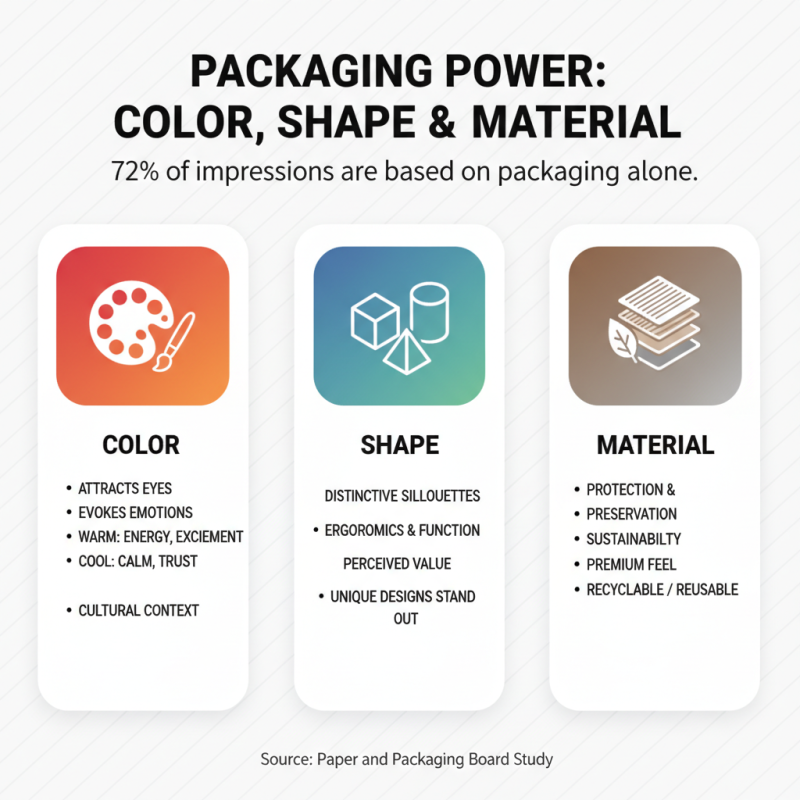
Color, shape, and material are essential in creating packaging that attracts buyers. According to a study by the Paper and Packaging Board, 72% of consumers form their first impression based on packaging alone. Color plays a critical role. Products with vibrant colors can increase attention and evoke emotions. Warm colors like red and orange often suggest energy and excitement, while cool colors convey calmness and trust. Color choice should align with the target audience's preferences and cultural meanings.
Shape also greatly influences consumer decisions. Unique shapes can stand out on shelves, drawing the eye of potential buyers. For instance, irregular shapes can create curiosity. In contrast, familiar shapes can evoke a sense of reliability. A report from the Institute of Packaging Professionals indicated that 66% of consumers are influenced by packaging shape when making a purchase.
Material choice impacts not just aesthetics but also consumer perception of quality. Eco-friendly materials are increasingly preferred. A 2021 Nielsen study found that 73% of consumers would change their consumption habits to reduce environmental impact. Testing different materials can lead to insights. Using biodegradable or recyclable options may appeal to environmentally-conscious shoppers. A balance between sustainability and functionality is vital but can be difficult to achieve.
The Role of Sustainability in Attracting Eco-Conscious Shoppers
Sustainability is becoming a crucial factor in packaging design. Recent studies show that 73% of consumers are willing to pay more for eco-friendly packaging. This trend is especially strong among younger buyers. They prefer products with minimal environmental impact. Effective packaging should reflect this demand.
Eco-conscious shoppers are looking for transparency. They want to know the source of materials used. Brands can enhance credibility by sharing packaging details. Displaying certifications can build trust. The Global Packaging Alliance suggests using biodegradable materials can increase a product's appeal. However, not all sustainable options are equal. Some biodegradable labels can be misleading, making consumer trust critical.
Incorporating sustainable practices requires a thoughtful approach. Many brands face challenges in balancing cost and eco-friendliness. It's essential to analyze materials and processes constantly. Continuous improvement is necessary, even if it means admitting past mistakes. Consumers appreciate brands that evolve and acknowledge their journey toward better practices. This transparency can significantly enhance brand loyalty among eco-conscious shoppers.
Using Market Research to Tailor Packaging for Target Audiences
Effective packaging is pivotal for capturing consumer interest. Research by
Nielsen indicates that 64% of consumers try new products based on packaging. This highlights the importance of
understanding your target audience. Utilizing market research allows brands to identify preferences and behaviors. For instance, a study by
Ipsos shows that color choices can increase brand recognition by 80%.
Diving deeper into market insights is essential. Consumers are increasingly drawn to sustainability. According to a survey by
Mintel, 75% of consumers find sustainable packaging appealing. This trend should influence design choices.
However, some brands still struggle with implementing eco-friendly solutions. They might face challenges in sourcing materials or managing costs.
Understanding these obstacles is key to improving packaging strategies.
Tailoring packaging to resonate with the target audience requires ongoing evaluation. Consumer preferences evolve, and so should packaging designs.
Regular feedback and testing can reveal what resonates most. Brands must be willing to adapt.
Crafting effective packaging is an ongoing journey, not a one-time effort.
Case Studies: Successful Brands and Their Packaging Strategies
Packaging plays a crucial role in attracting buyers. Many successful brands have mastered the art of effective packaging. One standout approach is the use of bold colors and unique shapes. For instance, a brand utilized a minimalist design that allows the product to stand out. Simplistic designs can sometimes overlook important information. Clarity should be balanced with creativity.
Another example highlights sustainable packaging. Brands using eco-friendly materials have seen increased customer loyalty. Their packaging tells a story about their commitment to the environment. However, while striving for sustainability, some brands may sacrifice durability. It’s a fine line to walk, ensuring products arrive intact while being environmentally conscious.
Colors and logos also play significant roles in consumer perceptions. A brand once experimented with bright colors to evoke excitement. Similarly, muted tones can convey elegance and sophistication. Yet, not every color works for every product. Misalignment can confuse consumers. Continuous research and consumer feedback are essential for refining these strategies.