How to Choose the Best Shipping Packaging Supplies for Your Business?
Choosing the right shipping packaging supplies is essential for your business's success. The right materials can safeguard products, minimizing damage during transit. However, it’s easy to overlook these essentials amidst daily operations.
Your choice of shipping packaging supplies can reflect your brand's values. Think about eco-friendly options or durable materials. A well-thought-out selection adds to customer satisfaction and loyalty. Not all businesses prioritize this, leading to complaints or returns.
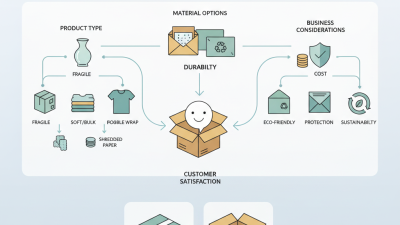
Consider what works best for your products. Fragile items require different packaging than bulkier ones. Test various options and refine your approach. Aim for effectiveness, yet be aware of potential overspending. Your packaging should protect your products without breaking the bank. Keep experimenting until you find the perfect balance.
Identifying Your Business Shipping Needs and Requirements
Identifying your business shipping needs is crucial. Begin by analyzing what you are shipping. Are your products fragile, bulky, or perishable? Each type requires different packaging materials. For fragile items, choose bubble wrap or foam. For heavy items, consider cardboard boxes with handles. Perishable goods may need insulated materials.
Think about your target market too. Are you shipping locally or internationally? Local shipments might not need as much cushioning. However, international shipping demands better protection against various handling and weather conditions. Understand the shipping methods you plan to use. Will you rely on ground transportation or air freight? This can influence your choices.
Reflect on your budget. Quality packaging protects your products, but it should not break the bank. Sometimes, businesses skimp on materials, only to face returns and damages. Investing in suitable supplies pays off long-term. Review past shipping experiences. What worked well? What didn’t? These insights guide future decisions, ensuring your shipping packaging meets every requirement effectively.
Understanding Different Types of Shipping Packaging Supplies
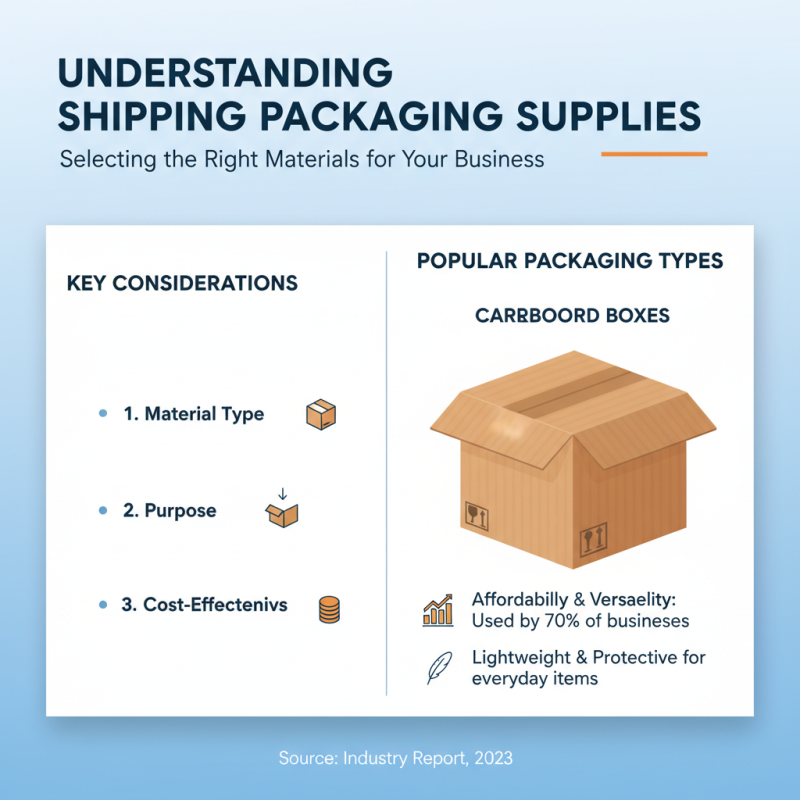
When selecting shipping packaging supplies, understanding the types available is crucial. Different materials serve various purposes. For instance, cardboard boxes are popular for their affordability. According to a recent industry report, 70% of businesses prefer cardboard for everyday shipping. It's lightweight and effective for many products.
However, not all items fit well in standard boxes. Fragile or oddly-shaped products demand specialized packaging. Bubble wrap and foam peanuts cater to this need. They provide cushioning and protect sensitive items during transit. Statistics show that 30% of damages occur due to inadequate packaging. This highlights the need for proper material selection.
Make sure to consider size and weight too. Overpacking can lead to increased shipping costs. Around 25% of businesses report challenges with excess weight impacting their bottom line. It’s essential to balance snug fits with protective features. Otherwise, you may end up wasting resources or risking damage. The goal is to ensure products arrive safely and cost-effectively.
Evaluating Quality and Durability of Packaging Materials
When selecting shipping packaging supplies, evaluating the quality and durability of materials is essential. Studies show that 64% of customers have returned products due to poor packaging. This undeniable statistic emphasizes the importance of durable materials. Cardboard, for example, is commonly used. Thicker, double-walled cardboard can withstand more stress, protecting contents during transit.
Furthermore, the environmental impact of packaging cannot be overlooked. A report from the Environmental Protection Agency states that packaging waste accounts for nearly 30% of total municipal solid waste. Sustainable materials, like biodegradable plastics or recycled paper, are gaining traction. They may not always be the most durable option, which can lead to complications. Testing the materials for puncture resistance and moisture protection is necessary to ensure they've got the right balance.
Investing in quality packaging may require higher upfront costs. However, it can reduce product damage and return rates. Striking a balance between cost and quality is vital. Businesses must continually reassess their needs. What worked last year may no longer suffice. Finding the right packaging materials is an ongoing challenge that requires constant vigilance and adaptation.
Quality and Durability Evaluation of Packaging Materials
Cost-Effectiveness in Choosing Shipping Packaging Solutions
When considering shipping packaging, cost-effectiveness is vital. Select materials that protect your products without excessive spending. A balance between quality and price is essential. Simple choices, like using recycled materials, can reduce costs while remaining eco-friendly.
Tips for choosing packaging supplies: Look for bulk purchasing options. Buying in larger quantities often lowers the unit price. Evaluate different suppliers and their offerings. Compare shipping costs, as these can add up quickly. Make sure to consider the weight and dimensions of the packaging. Light-weight materials can save money on shipping fees.
Additionally, assess the durability of packaging. Cheaper materials may lead to damage, costing more in the long run. Not all low-cost options are ideal. Sometimes, investing a bit more in quality materials pays off. Consider testing samples before making a large purchase. This can prevent costly mistakes and ensure you’re making the right choice.
Sustainability Considerations in Shipping Packaging Choices
Sustainability is becoming vital in shipping packaging. According to a 2021 report by McKinsey, 70% of consumers prefer sustainable packaging. Businesses need to consider eco-friendly materials to meet this demand. Biodegradable options, such as compostable wraps, can help reduce environmental impact. Choosing recycled materials also aids in addressing waste issues.
Cost is often a significant concern. Many business owners worry that sustainable options might be pricier. However, a 2022 survey indicated that 65% of consumers are willing to pay more for sustainable packaging. This willingness can lead to increased loyalty and sales. Additionally, some sustainable materials can lower shipping costs due to their lightweight nature. This can improve overall profit margins.
Heavy reliance on single-use plastics remains problematic. It’s crucial for businesses to explore alternatives. Not every eco-friendly option is perfect; some may still contribute to waste in other forms. Balance is necessary. Regular evaluation of packaging choices can reveal areas for improvement. Sustainable packaging is a journey, not a destination.