How to Choose the Best Packaging Options for Your Products Effectively
In today's fast-paced market, selecting the right packaging options is crucial for businesses aiming to enhance product appeal and ensure sustainability. According to a recent report by Smithers Pira, the global packaging market is projected to reach approximately $1 trillion by 2024, emphasizing the growing importance of innovative and efficient packaging solutions. A well-considered packaging strategy not only serves to protect the product but also communicates the brand's identity and values to consumers, particularly in a world increasingly driven by environmental consciousness.
Packaging expert Dr. Emily Martinez asserts, "Effective packaging options are not merely about aesthetics; they are instrumental in driving sales and customer loyalty." This statement underlines the significant role that packaging plays not only in logistics but also in marketing. With consumers becoming more discerning about their purchases, businesses must prioritize the selection of sustainable and user-friendly packaging options that resonate with their target audience. The challenge remains for companies to balance cost, functionality, and environmental impact while ensuring their packaging aligns with the latest trends and consumer preferences. Hence, understanding the nuances of packaging options is essential for achieving competitive advantage in the contemporary marketplace.
Understanding Your Product's Packaging Requirements
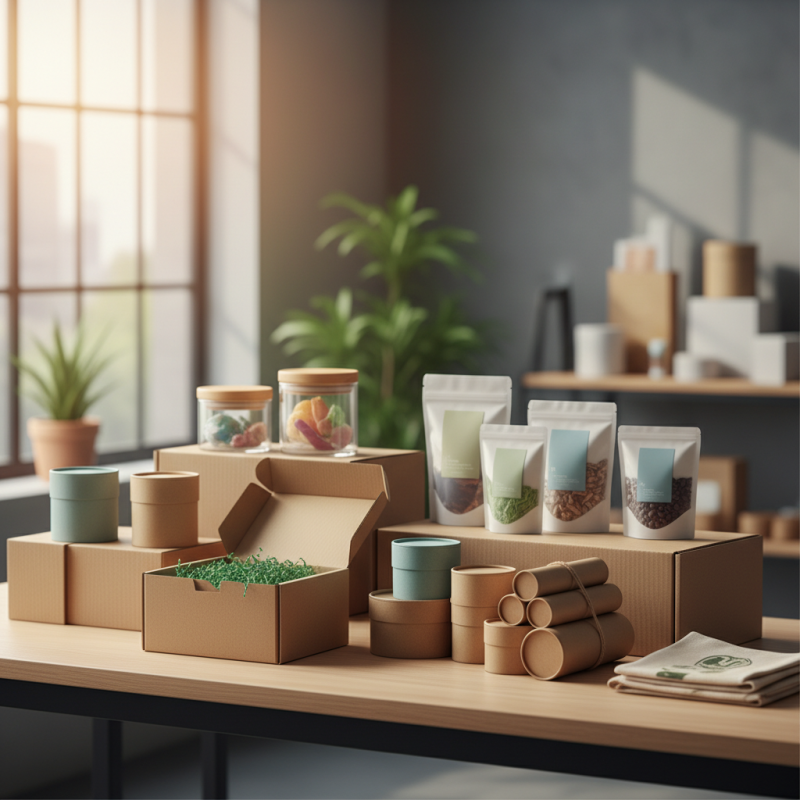
When selecting the right packaging options for your products, understanding your product's packaging requirements is crucial. Different products have unique needs based on their size, fragility, and intended shelf life. For instance, fragile items may require protective materials like bubble wrap or foam, while perishable goods necessitate insulated packaging to maintain freshness. Evaluating the nature of your product will inform the type of packaging materials and design suited for optimal protection and presentation.
Tips: Always conduct a thorough analysis of your product specifications, including weight, dimensions, and sensitivity to environmental factors. Incorporating eco-friendly materials is becoming increasingly important, not only for compliance with sustainability trends but also for appealing to environmentally conscious consumers. Additionally, consider the user experience; packaging should facilitate ease of access, usage, and disposal.
Furthermore, keep in mind the branding implications of your packaging. The design should not only safeguard your product but also reflect your brand identity. Consistency in style can enhance recognition and customer loyalty. Explore innovative packaging solutions such as reusable bags or minimalist designs to stand out in the marketplace while meeting your product’s specific requirements.
Analyzing Target Market Preferences for Packaging
When selecting packaging options for your products, understanding your target market's preferences is crucial. Different demographics may have varying expectations regarding design, material, and functionality. Conducting surveys or focus groups can provide valuable insights into what elements resonate most with your customers. For instance, younger consumers may lean towards eco-friendly materials, while older demographics might prioritize durability and ease of use. Tailoring your packaging to align with these preferences can significantly enhance customer satisfaction and brand loyalty.
**Tips:** To effectively analyze your target market, consider creating customer personas that encapsulate the preferences and behaviors of your ideal shoppers. This can guide your decisions on packaging aesthetics and functionality. Additionally, leverage social media and online reviews to gauge consumer opinions on packaging styles and innovations. Engaging with your audience in these channels can help you stay ahead of trends and meet their expectations more accurately.
Investing in packaging design that reflects your target market's values can not only improve product appeal but also strengthen your brand identity. Pay attention to colors, graphics, and textures that resonate with your audience. Packaging that tells a compelling story about your product while addressing consumer preferences can set you apart from competitors and foster a deeper connection with your buyer base.
How to Choose the Best Packaging Options for Your Products Effectively - Analyzing Target Market Preferences for Packaging
| Packaging Type |
Target Market Segment |
Key Preferences |
Sustainability Rating |
Cost Range ($) |
| Plastic Bottles |
Health & Wellness |
Lightweight, Portable |
Low |
1.00 - 2.50 |
| Glass Jars |
Gourmet & Organic |
Premium Feel, Recyclable |
High |
2.50 - 5.00 |
| Cardboard Boxes |
E-commerce |
Customizable, Stackable |
Medium |
0.50 - 3.00 |
| Biodegradable Pouches |
Snacks & Food |
Eco-Friendly, Lightweight |
Very High |
1.00 - 4.00 |
| Shrink Wrap |
Bulk Products |
Cost-Effective, Secure |
Low |
0.25 - 1.00 |
Exploring Sustainable Packaging Materials and Options
As businesses increasingly recognize the importance of sustainability, choosing the right packaging materials has become essential. Sustainable packaging options not only reduce environmental impact but also enhance brand image and consumer trust. According to a report by Smithers, the global sustainable packaging market is expected to reach $1.0 trillion by 2024, growing at a rate of 5.1% annually. This shift emphasizes the necessity for companies to stay ahead of the curve by investing in eco-friendly materials such as biodegradable plastics, recycled paper, and plant-based alternatives.
Biodegradable materials, for example, can significantly decrease landfill waste. A study by the European Bioplastics Association indicates that the production of bioplastics can save up to 70% in greenhouse gas emissions compared to conventional plastics. Furthermore, recycled paper offers another viable option, with the Paper and Packaging Association noting that recycled paper can save 17 trees for every ton produced. This highlights the environmental benefits of integrating recycled materials into packaging solutions. By focusing on these sustainable options, businesses not only meet the growing consumer demand for environmentally friendly products but also contribute to a more sustainable future.
Evaluating Cost-Effectiveness of Different Packaging Solutions
When evaluating cost-effectiveness in packaging solutions, it is crucial to consider both the direct and indirect costs associated with different materials and designs. According to a report by Smithers Pira, the global packaging market is projected to reach $500 billion by 2024, emphasizing the need for businesses to adopt strategic approaches to their packaging choices. In general, packaging materials can account for up to 10% of a product's total cost, making it essential to opt for solutions that maximize efficiency while minimizing expenses.
In recent studies, it was revealed that companies that prioritize sustainable packaging solutions may not only reduce costs but also enhance their marketability. For example, businesses using recyclable materials can save up to 20% in packaging costs over time, in addition to attracting environmentally conscious consumers. Furthermore, implementing innovative designs such as minimalistic packaging can further reduce material use and shipping costs. With logistics being a significant factor in overall costs—estimated to take up around 28% of total expenses—selecting lightweight and space-efficient packaging is essential for maximizing profit margins.
Cost-Effectiveness of Different Packaging Solutions
Testing and Measuring Packaging Effectiveness in the Market
Testing and measuring packaging effectiveness in the market is crucial for businesses aiming to optimize their product presentation and consumer appeal. According to a 2022 report by the Packaging Institute, effective packaging can influence purchasing decisions for up to 72% of consumers. Therefore, conducting robust testing is essential for determining which packaging options resonate best with target audiences. This includes utilizing focus groups, A/B testing, and sensory evaluation methods to gather consumer feedback on various packaging designs, materials, and functionalities.
Furthermore, tracking key performance indicators such as return rates, shelf life, and consumer satisfaction can provide valuable insights into packaging success. A study from the Food Packaging Association highlighted that 60% of product returns are due to inadequate packaging, underscoring the need for businesses to prioritize testing phases. By integrating data analytics and consumer behavior studies, brands can measure the impact of packaging on sales metrics and customer retention, ensuring that their packaging choices not only meet aesthetic standards but also enhance overall product performance in a competitive marketplace.