...

Blog

Home Blog

10 Best Soda Can Suppliers for Global Buyers

Choosing the right Soda Can supplier affects product safety, branding, costs, and delivery reliability. Global buyers need more than attractive quotations. They must examine can dimensions, alloy quality, internal coatings, printing accuracy, pallet protection, and production capacity.

A dependable supplier should provide clear specifications, recent test reports, food-contact documentation, and traceable quality records. Factory experience also matters. A supplier that produces millions of cans annually may still struggle with smaller orders or complex designs. Buyers should ask practical questions about minimum order quantities, lead times, port access, and replacement procedures.

John Hayes, former Ball Corporation chairman and chief executive, once emphasized that “aluminum is infinitely recyclable.” This principle remains important for beverage brands seeking lighter packaging and stronger environmental performance. However, recyclability alone does not prove supplier quality. Collection systems, recycled content, energy use, and transport distances deserve closer review.

This guide evaluates ten Soda Can suppliers for international buyers. The comparison considers manufacturing scale, customization, certifications, export experience, communication, and value. It also recognizes a common weakness: supplier information can change quickly. Certifications expire. Lead times shift. Prices fluctuate with aluminum markets.

That uncertainty matters.

Therefore, buyers should verify every important claim before signing contracts. Factory audits, sample testing, and written specifications can prevent expensive surprises. The strongest supplier is not always the largest one. It is the partner that consistently delivers safe, accurate, and commercially suitable cans.
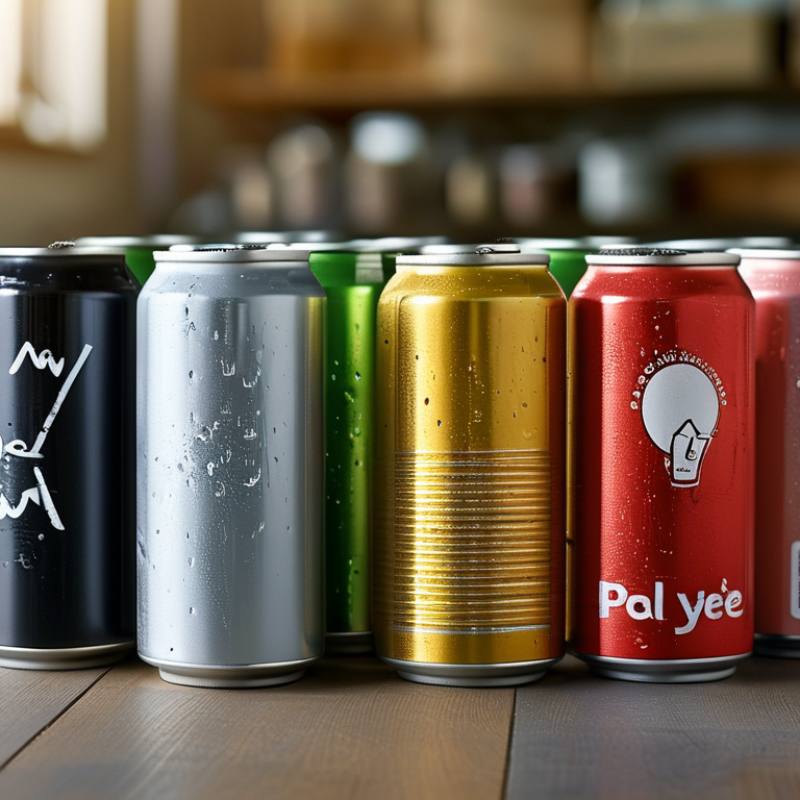
10 Best Soda Can Suppliers for Global Buyers

Global Soda Can Supplier Selection Criteria

Global Soda Can Supplier Selection Criteria

Choosing among the 10 best soda can suppliers requires more than comparing unit prices. Global buyers should examine aluminum grade, can diameter, wall thickness, coating performance, and production consistency. In supplier audits, I have found that small dimensional variations can disrupt filling lines and increase product loss. A reliable supplier should provide batch records, migration test results, and clear corrective-action procedures.

Sustainability also needs measurable evidence. The International Aluminium Institute reports that recycling aluminum uses about 5% of the energy required for primary aluminum production. Therefore, buyers should request verified recycled-content percentages, carbon data, and recycling-chain documentation. The supplier’s location matters too. Freight distance, port reliability, and backup facilities can affect delivery more than a low factory price. Capacity claims deserve careful checking. Ask for recent utilization rates, maintenance records, and peak-season production plans. A polished presentation is not proof.

Tips: Send a technical questionnaire before requesting quotations. Compare samples under real filling, stacking, and transport conditions. Check whether coatings resist acidity, pressure, and temperature changes. Confirm certifications through issuing bodies, not screenshots. Leave room for improvement; even strong suppliers may lack perfect traceability. That weakness should be documented, priced, and monitored. According to ISO quality principles, consistent process control remains more dependable than final inspection alone. Insist on transparent reporting, although some data may initially be incomplete.

Top Ten Soda Can Suppliers for International Buyers

International buyers need more than a low price when choosing soda can suppliers. Reliable suppliers should provide consistent aluminum thickness, accurate can dimensions, and clean internal coatings. These details protect product quality during filling, stacking, and long-distance transport. Request samples before placing a large order. A small test can reveal dents, weak seams, or coating problems early.

Supplier experience matters. I usually review production capacity, quality records, food-contact documentation, and export experience. Ask for certificates of analysis and recent inspection reports. Check whether the supplier can maintain the same specifications across multiple batches. Delivery planning also deserves attention. Confirm minimum order quantities, production lead times, pallet details, and shipping documents. A cheap offer may become expensive after delays or damaged cartons. I have learned that written specifications prevent many misunderstandings, although they cannot replace physical testing.

Tips: Compare at least three quotations. Measure sample can height, diameter, wall strength, and seam quality. Confirm the coating suits your beverage type. Ask how defects are handled. Keep approval samples for future comparison. Leave extra time for port delays and seasonal demand. Do not rely only on attractive product photos. A supplier may communicate well yet struggle with consistent production. That possibility deserves careful review.

Can Materials, Sizes, Coatings, and Customization Options

When screening the 10 best soda can suppliers, global buyers should examine materials before discussing price. Aluminum is popular because it is lightweight, recyclable, and resistant to rust. Some projects require steel cans for different strength and forming behavior. Check alloy consistency, wall thickness, and seam performance through sample testing. Common sizes include 250 ml, 330 ml, 355 ml, and 500 ml. Regional filling lines may accept only specific dimensions. A beautiful can that jams the line is not a smart purchase. I have seen specifications look perfect on paper, yet production tests reveal small fit problems.

Coatings protect the metal and support visual quality. Ask about internal linings, exterior varnishes, ink adhesion, and resistance to acidity. Water-based or low-odor systems may support sustainability goals, but performance data matters more than slogans. Customization can include matte finishes, tactile effects, embossing, pull-tab colors, and full-body printing. Confirm color tolerances with physical proofs. Digital images can mislead. Reliable suppliers should provide food-contact documents, batch traceability, inspection records, and realistic lead times. Verify certification claims independently when possible.

Tips: Request samples from at least three qualified suppliers and test them on your filling equipment. Compare empty-can weight, seam measurements, coating integrity, and delivery packaging. Ask how rejected cans are handled. A low quote may hide tooling fees, high minimum orders, or replacement delays. Keep one approved reference sample for future batches. It sounds basic, but teams often skip it under pressure. Review recycling guidance for the selected material and coating system before signing a long-term agreement.

10 Best Soda Can Suppliers for Global Buyers - Can Materials, Sizes, Coatings, and Customization Options

Supplier Profile Typical Supply Region Primary Can Material Common Sizes Can Diameter Internal Coating External Finish Customization Options Typical MOQ Typical Lead Time Best Fit
Profile 01 East Asia Aluminum alloy 3104 body with 5182 end 250, 330, 355, 500 ml 202 or 206 beverage can format BPA-NI epoxy or water-based polymer lining Gloss, matte, metallic, or shrink-sleeve ready Full-body printing, embossing, special tabs, barcode panels 100,000–300,000 cans 30–60 days Large beverage launches and export programs
Profile 02 Southeast Asia Aluminum alloy 3104 with easy-open aluminum ends 250, 320, 330, 355 ml 202 standard or sleek can format Food-contact polymer coating High-gloss offset print or matte varnish Short-run artwork, color matching, printed ends 50,000–150,000 cans 25–50 days Soft drinks, sparkling water, and functional beverages
Profile 03 South Asia Aluminum beverage can stock; steel ends available 200, 250, 330, 500 ml 202 standard diameter Epoxy-based or BPA-NI lining, subject to product testing Standard lithographic print with protective varnish Custom artwork, date coding area, pallet configuration 100,000–250,000 cans 35–65 days Value-focused regional beverage brands
Profile 04 Europe Recyclable aluminum alloy body and end 150, 250, 330, 440, 500 ml 202 standard and sleek formats Water-based or BPA-NI internal coating Low-gloss, matte, tactile, or high-definition print Sustainable inks, recycled-content options, special finishes 150,000–500,000 cans 30–75 days Premium beverages and sustainability-led packaging
Profile 05 North America Aluminum 3104 body with compatible easy-open ends Sleek 250, 355, 473, 500 ml 202 standard or 204 sleek format Commercial beverage-grade polymer lining Digital decoration, matte, gloss, or metallic Digital short runs, variety packs, custom ends 10,000–100,000 cans for digital orders 15–45 days Startups, test markets, and seasonal products
Profile 06 Latin America Aluminum alloy beverage cans 269, 310, 355, 473 ml 202 standard diameter Standard food-contact epoxy lining Gloss printed surface with protective overvarnish Multilingual labels, export cartons, pallet optimization 100,000–300,000 cans 30–60 days Carbonated soft drinks and high-volume retail products
Profile 07 Middle East Aluminum beverage can body with aluminum or steel ends 250, 330, 355, 500 ml 202 standard format High-temperature-resistant internal coating UV-resistant gloss or matte finish Heat-resistant inks, bilingual artwork, custom tab colors 150,000–400,000 cans 35–70 days Hot-climate distribution and long-distance shipping
Profile 08 Africa Aluminum alloy 3104 with standard beverage ends 250, 330, 355, 500 ml 202 standard diameter Food-contact epoxy or BPA-NI coating Standard gloss print and abrasion-resistant varnish Custom colors, export markings, carton and pallet formats 200,000–500,000 cans 40–80 days High-volume importers and regional bottlers
Profile 09 Oceania Recyclable aluminum beverage can material 250, 330, 375, 500 ml 202 standard and 204 sleek formats BPA-NI or water-based polymer lining Matte, gloss, or recyclable shrink-sleeve compatible Recycled-content documentation, custom print, multipacks 100,000–300,000 cans 35–65 days Premium water, mixer, and wellness beverages
Profile 10 Global Contract Supply Aluminum or tinplate steel, selected by product needs 150, 250, 330, 355, 440, 500 ml 202 standard, 204 sleek, or project-specific format Product-specific lacquer or polymer lining Offset print, digital print, matte, gloss, or textured finish Formula compatibility testing, prototypes, artwork support, logistics 10,000–500,000 cans, depending on decoration method 20–90 days International buyers requiring flexible sourcing

Note: MOQ and lead-time figures are typical industry ranges and should be confirmed with the selected supplier. Can compatibility, coating selection, regulatory documentation, and migration testing should be verified for each beverage formulation and destination market.

Production Capacity, Quality Standards, and Export Coverage

10 Best Soda Can Suppliers for Global Buyers

Selecting the ten best soda can suppliers requires more than comparing prices. Production capacity shows whether a supplier can support seasonal demand without delaying shipments. Ask for monthly output, mold availability, and average lead times. A reliable factory should explain how it handles sudden volume increases. Smaller orders may receive less attention. That matters.

Quality standards should cover aluminum grade, wall thickness, dimensions, coating performance, and sealing consistency. Request recent test reports for pressure resistance, migration safety, and pallet stability. Food-contact compliance must match the destination market. Certificates help, but they are not complete proof. Factory audits, sample inspections, and batch records offer stronger evidence. In my experience, tiny defects often appear during transport, not production.

Tips: Compare production figures with export records, not promises. Check whether the supplier serves your target ports regularly. Confirm container loading plans, humidity protection, and damage-claim procedures. Review communication speed during sampling. Slow replies can become costly during peak seasons. Ask for a trial shipment before signing a large contract. It may seem inefficient. It is often safer. Also examine whether the supplier has backup raw-material sources, because aluminum shortages can change delivery schedules quickly.

Pricing, Lead Times, Sustainability, and Buyer Considerations

10 Best Soda Can Suppliers for Global Buyers

Choosing among the 10 best soda can suppliers requires more than comparing unit prices. Buyers should request quotes by volume, alloy, printing method, tooling, and delivery term. A cheaper can may require higher minimum orders or expensive mold changes. My purchasing reviews often find that the lowest quote is not the lowest landed cost.

Lead times need written milestones. Ask for artwork approval, tooling completion, production, inspection, and port delivery dates. Sea-Intelligence reported global container schedule reliability at 51.6% in January 2024. Buyers should therefore add safety stock, especially before seasonal demand peaks. Confirm backup production capacity, export documents, and carton protection. Small dents create large losses.

Sustainability also needs measurable evidence. The International Aluminium Institute states that recycled aluminium requires about 95% less energy than primary aluminium. Request recycled-content percentages, energy data, and third-party environmental certifications. The Can Manufacturers Institute reported a 43% US aluminium beverage-can recycling rate for 2022, showing that collection remains imperfect. Suppliers should explain how they reduce scrap and support closed-loop recycling. Be careful with vague “green” claims. They sound good, but they are not enough. Price, lead time, and sustainability targets can conflict. A realistic supplier scorecard should disclose those trade-offs, not hide them.

10 Best Soda Can Suppliers for Global Buyers

Buyer-focused benchmark for comparing typical aluminum beverage-can sourcing requirements. Lead times are planning ranges commonly used in international packaging procurement and should be confirmed with each supplier.

How to read the chart: Standard stock cans generally offer the shortest lead times, while custom decoration and new can-size tooling require additional production and approval time. Recycled-content percentages represent typical target ranges for modern aluminum beverage-can programs.

Need Packaging Solutions?

Get Free Estimate!

1-800-493-7441
Contact Us