A recyclable package can look simple on a sample table: a printed pouch, a sealed edge, and a neat roll. Its real performance depends on more than appearance. For global buyers, a Recyclable packaging bag must protect the product, run reliably on filling equipment, and fit the collection and recycling systems available in its destination market. “Waste equals food,” says William McDonough, a circular-design expert and co-author of Cradle to Cradle. The phrase is a useful design principle, not proof that every bag will be recycled.
This 2026 guide compares options such as mono-material polyethylene and polypropylene bags, while examining barrier performance, seals, print choices, recycled content, and supplier documentation. Buyers should ask what structure each bag uses and what evidence supports its recyclability claim. A material that works for dry goods may not protect a product sensitive to moisture or oxygen. Small details matter: the zipper, label, adhesive, and ink can affect how a package is sorted or processed. Check them.
There is no universal winner. Local collection access, recycling infrastructure, product needs, and converting equipment all change the decision. A supplier’s confident claim is a starting point, not the final answer. Request specifications, test data, and clear guidance for the intended market. Then compare performance against cost and end-of-life options. Some trade-offs remain awkward, and the best choice may still have limits. This guide makes those limits visible, so buyers can choose with better evidence—not just greener-looking packaging.
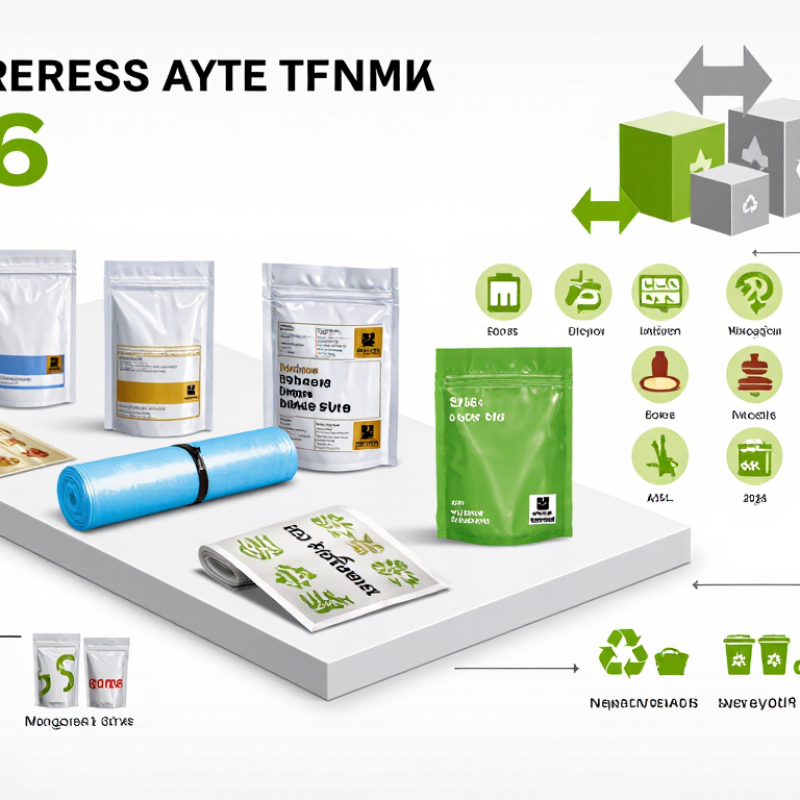
In 2026, a bag is not recyclable simply because its main layer is plastic or paper. Recyclability depends on the complete structure and the collection system available to the buyer. A flexible pouch with a film body, metallized barrier, zipper, and strong adhesive may be difficult to sort or reprocess. The label may persuade. The material stack tells a different story.
Buyers should ask for the exact polymer composition, layer weights, inks, coatings, and closure details. Mono-material designs, such as compatible PE or PP structures, can improve sorting potential, but local programs may still exclude flexible films. Confirm acceptance with the intended recycling stream, not a general claim. Ask suppliers for technical data and test reports that identify the tested construction. A sample matters: seal strength, puncture resistance, and barrier performance must still protect the product.
Recycled content and recyclability are different measures. One describes what went into the bag; the other concerns what may happen after use. Specifications should state conditions and limitations plainly. Even a well-designed bag can become waste when consumers lack convenient collection. Often overlooked. Packaging choices need review against real collection routes, not ideal diagrams. We should admit that evidence can be incomplete, especially when bag structures or local systems change.
| Bag type | Typical material structure | Potential recycling route | Features that support recyclability | Important buyer checks |
|---|---|---|---|---|
| Mono-PE pouch or bag | Polyethylene (PE) film, often using PE grades for both the sealant and outer layers | Flexible PE film recycling where collection, sorting and processing for film are available | A predominantly single-polymer structure; compatible PE closures and labels; limited inks and coatings | Flexible-film collection is not available everywhere and may not be accepted in household curbside bins. Confirm local acceptance and the effect of barrier layers, closures and labels. |
| Mono-PP pouch or bag | Polypropylene (PP) film layers designed to remain predominantly PP | PP film recycling where a suitable collection and processing stream exists | One main polymer family across the body, sealant and compatible components; avoid incompatible laminates where practical | Flexible PP collection and recycling access varies by market. Check local sorting capability and whether the complete package, not just the base film, is accepted. |
| Paper bag without a plastic liner | Paper or paperboard with paper-based components and no non-paper barrier layer | Paper and cardboard recycling, subject to local rules and the bag’s condition | Separates readily from plastic components; minimal coatings, adhesives and non-paper attachments | Food residue, wet-strength treatments, plastic windows, handles or linings can affect acceptance. Verify requirements with the intended paper-recycling market. |
| Paper bag with a barrier coating or liner | Paper combined with a polymer coating, plastic liner or other barrier material | May be accepted in paper recycling only where local mills and collection rules allow it; otherwise it may need another route | Clearly specified barrier material and a design assessed for separation or processing in the target market | A paper exterior does not by itself make the whole bag recyclable as paper. Confirm coating composition, separability and local mill acceptance. |
| Multi-material laminated pouch | Commonly combines different materials, such as PET, PE, PP, aluminum foil or metallized films | Often not compatible with conventional single-material film recycling; specialist recovery may exist in some markets | Recyclability can improve if the structure is redesigned around one polymer family and unnecessary layers are removed | Different bonded layers are difficult to separate in many established systems. Do not assume a pouch is recyclable based only on one layer or a recycling symbol. |
| Compostable flexible bag | Certified compostable polymer or a blend designed for specified composting conditions | Industrial or home composting only when the product is certified for that route and accepted locally | Correct certification for the intended composting environment and clear disposal instructions | Compostable does not mean recyclable. Compostable bags can contaminate plastic recycling and may not break down in home compost or local facilities. |
| Bag with a zipper, spout or valve | Flexible-film body with a closure or dispensing component that may use a different polymer | Depends on the body material, component compatibility and local recycling process | Use compatible materials where possible; make components removable when practical; provide clear separation instructions if needed | Closures and attachments may affect sorting or processing. Check the complete pack with the relevant local collection and recycling guidance. |
Get Free Estimate!