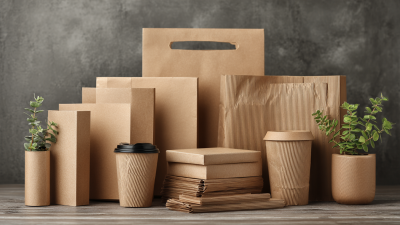
10 Best Packaging Materials for Sustainable and Efficient Shipping in 2023
In the ever-evolving landscape of e-commerce and logistics, the choice of packaging materials plays a crucial role in ensuring both sustainability and efficiency. As consumers become increasingly eco-conscious, businesses are challenged to innovate their shipping practices, balancing the needs of protection, cost-effectiveness, and environmental responsibility. In 2023, the demand for sustainable packaging materials has surged, prompting companies to rethink their approaches and adopt solutions that minimize waste while maximizing usability.
This article explores the ten best packaging materials that not only meet the practical demands of shipping but also align with sustainable practices. From biodegradable options to recycled materials, these innovative packaging solutions are designed to reduce environmental impact while maintaining the integrity of products during transit. By prioritizing sustainability, businesses can not only enhance their brand image but also contribute to a healthier planet. Join us as we delve into the best packaging materials available today that support efficient shipping without compromising our commitment to the environment.

Overview of Sustainable Packaging Materials for Shipping
Sustainable packaging materials are essential for reducing the environmental impact of shipping in today's world. As companies look to align their operations with eco-friendly practices, a variety of materials have gained prominence for their minimal ecological footprint. Biodegradable options, such as compostable films and paper-based products, break down easily in natural environments, reducing landfill waste. Additionally, materials made from post-consumer recycled content help to promote a circular economy by repurposing existing resources rather than relying on new raw materials.
Another significant trend in sustainable shipping is the use of renewable resources, such as plant-based plastics. These materials not only lessen the dependence on fossil fuels but also offer similar durability and functionality to traditional plastics. Furthermore, innovative designs such as reusable packaging systems and minimal packaging designs contribute to sustainability by ensuring that products can be shipped efficiently without unnecessary waste. As businesses increasingly prioritize environmentally responsible practices, these sustainable packaging solutions will play a crucial role in shaping the future of shipping logistics.
Criteria for Selecting Efficient Packaging Solutions
When selecting efficient packaging solutions for sustainable shipping, several key criteria must be considered to ensure both environmental responsibility and operational efficacy. First and foremost, the material's recyclability and biodegradability play a crucial role. Opting for packaging that can easily be recycled or decomposed helps minimize waste and reduce the overall carbon footprint associated with shipping processes. This approach encourages a circular economy, where materials are continually reused, thus conserving resources.
Another important factor is the durability of the packaging. Effective shipping materials must protect products during transit, reducing the likelihood of damage while also minimizing the need for additional protective measures. This not only saves costs but also streamlines the shipping process, enhancing efficiency. Additionally, considering the weight of the packaging material is essential, as lighter materials can lead to reduced shipping costs and lower fuel consumption during transportation. By prioritizing these criteria, businesses can choose packaging solutions that support sustainability while maintaining the integrity and efficiency of their shipping operations.
10 Best Packaging Materials for Sustainable and Efficient Shipping in 2023
Top Eco-Friendly Packing Options and Their Benefits
In the quest for sustainable shipping, choosing eco-friendly packaging materials has never been more critical. Among the top options are biodegradable packing peanuts, made from natural proteins, which provide cushioning while decomposing quicker than traditional materials. Plant-based wraps, such as those derived from cornstarch, are not only renewable but also offer excellent protection against moisture, making them ideal for various products. Additionally, recycled paper and cardboard are prominently used for packaging since they can be easily repurposed and recycled, significantly reducing landfill waste.
When selecting sustainable packing options, consider the recyclability and biodegradability of the materials. Always strive to source materials from local suppliers to minimize the carbon footprint associated with transportation. For example, using recycled paper that is sourced within your region can support local economies while also reducing environmental impacts.
Moreover, think about the overall design of your packaging. Opt for designs that use less material without compromising product safety. Eco-friendly initiatives can also be integrated into your branding by utilizing minimalist packaging that communicates your commitment to sustainability. By following these tips, you can effectively contribute to a greener planet while ensuring efficient shipping practices.
Innovations in Sustainable Shipping Materials for 2023
As sustainability becomes a central focus in global shipping practices,
2023 has witnessed remarkable innovations
in sustainable packaging materials that cater to both environmental concerns and efficiency.
According to a report published by the Ellen MacArthur Foundation,
the adoption of biodegradable materials
can significantly reduce plastic waste, with projections estimating that using such materials
could decrease marine plastic pollution by up to 50% by 2030.
New advancements in biodegradable polymers,
made from natural sources like cornstarch and sugarcane, are now increasingly viable for
shipping purposes, providing a sustainable alternative to traditional plastic packaging.
Additionally, the rise of reusable packaging solutions is reshaping the logistics landscape.
A study by McKinsey & Company highlights that the global reusable packaging market
is expected to grow by over 20% annually due to its cost-effectiveness
and reduced carbon footprint. Innovations such as collapsible cardboard boxes
and multi-use shipping crates not only save on materials but also optimize space during transport,
leading to lower transportation emissions. These sustainable advancements not only contribute to
environmental stewardship but also align with consumer demands for eco-friendly solutions
in a world increasingly aware of climate change.
The shift towards these materials marks a pivotal movement towards more responsible shipping practices
in the industry.
Best Practices for Implementing Sustainable Packaging in Logistics
In today's logistics sector, implementing sustainable packaging practices is essential for reducing environmental impact while maintaining efficiency. One of the best practices is to prioritize the use of eco-friendly materials, such as biodegradable plastics, recycled cardboard, and cornstarch-based packaging. These materials not only minimize waste but also help companies meet growing consumer demands for environmentally responsible options. Additionally, reducing packaging volume and using designs that maximize space can significantly lower the carbon footprint associated with transportation.
Furthermore, companies should evaluate their supply chain processes to identify opportunities for sustainability. This includes collaborating with suppliers who share similar values regarding environmentally friendly practices and employing innovative technologies like packaging optimization software. Training staff on sustainability principles is also crucial, ensuring that everyone from warehouse personnel to management understands the importance of responsible packaging. Ultimately, a commitment to sustainable packaging not only benefits the environment but also enhances a company’s reputation and operational efficiency in the competitive logistics market.
10 Best Packaging Materials for Sustainable and Efficient Shipping in 2023
| Material Type |
Sustainability Rating |
Recyclability |
Cost Efficiency |
Use Case |
| Recycled Paper |
High |
Yes |
Moderate |
Outer packaging, wrappings |
| Biodegradable Plastics |
Medium |
Limited |
Higher |
Packaging for perishables |
| Bubble Wrap (Recyclable) |
Medium |
Yes |
Moderate |
Shipping fragile items |
| Mushroom Packaging |
High |
Yes |
Higher |
Protective cushioning |
| Bioplastics |
Medium |
Limited |
Higher |
Flexible packaging |
| Cardboard |
High |
Yes |
Low |
Boxing |
| Glass |
High |
Yes |
Lower |
Heavy-duty packaging |
| Cornstarch Packaging |
High |
Yes |
Moderate |
Food packaging |
| Plant-based Foam |
High |
Yes |
Moderate |
Cushioning materials |
| Recycled Fabric |
Medium |
Yes |
Moderate |
Reusable bags |