2025 Top Packaging Options: Trends and Innovations You Need to Know
As we approach 2025, the packaging industry is undergoing significant transformations driven by sustainability, innovation, and consumer preferences. According to a recent report by Smithers Pira, the global market for packaging is expected to exceed $500 billion, with eco-friendly solutions gaining particular traction. This shift is not just a trend; it reflects a growing consumer demand for sustainable packaging options, which has seen a 29% increase in popularity over the past few years.
The landscape of packaging options is expanding, influenced by advancements in materials science and technology. Recent studies indicate that more than 70% of consumers are willing to pay a premium for products that use sustainable packaging. This growing inclination is prompting industries across the board to seek out innovative solutions that reduce environmental impact while maintaining functionality and appeal.
In the quest for more efficient packaging options, businesses are exploring biodegradable materials, smart packaging technologies, and minimalistic designs that cater to both aesthetic and ecological considerations. As we delve into the packaging trends and innovations set to define 2025, it becomes increasingly clear that companies must adapt to these changes not only to meet consumer expectations but also to contribute positively to global sustainability efforts.
Emerging Packaging Materials Shaping 2025 Trends
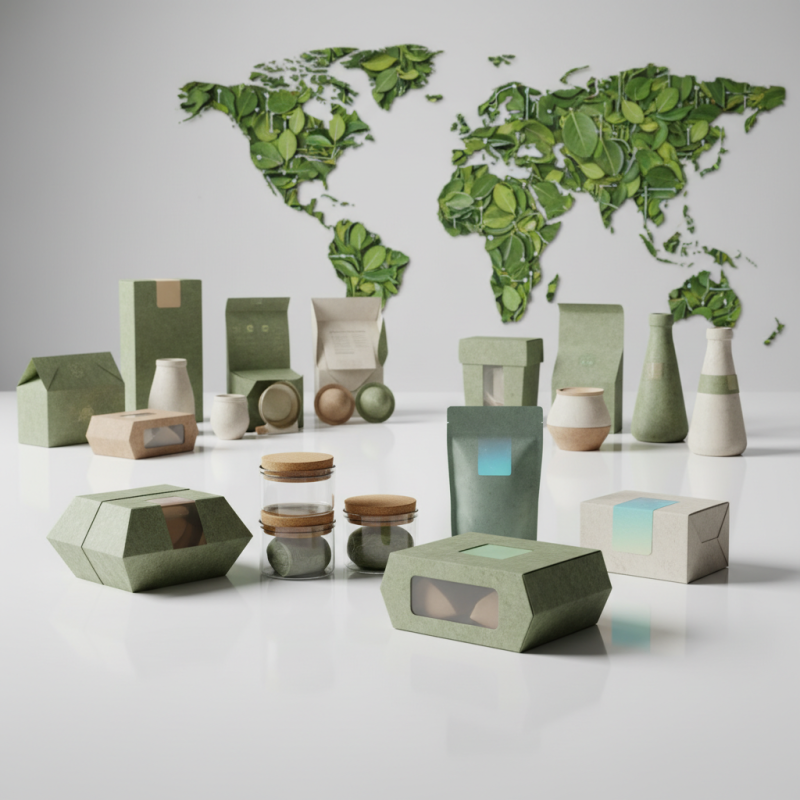
The packaging industry is witnessing a transformative phase as we approach 2025, driven by the introduction of innovative materials that prioritize sustainability and functionality. According to a report by Smithers Pira, the global sustainable packaging market is projected to reach $500 billion by 2025, highlighting a significant shift towards eco-friendly solutions. One of the standout trends is the use of biodegradable and compostable materials, such as polylactic acid (PLA) and various plant-based polymers, which can significantly reduce plastic waste in landfills, contributing to environmental preservation.
Additionally, the rise of smart packaging technology is reshaping consumer interactions with products. Innovations such as QR codes on packaging not only enhance traceability but also engage consumers through interactive content. Reports indicate that the smart packaging market is expected to grow at a CAGR of over 10% through 2025, driven by demand for enhanced safety, shelf life monitoring, and improved user experience. As manufacturers seek to integrate these advanced materials and technologies, they are also focusing on reducing carbon footprints throughout the packaging lifecycle, aligning with global sustainability goals and consumer expectations for responsible packaging solutions.
2025 Top Packaging Options: Trends and Innovations You Need to Know
| Packaging Material |
Key Trend |
Environmental Impact |
Cost Efficiency |
Market Adoption Rate |
| Biodegradable Plastics |
Sustainable Practices |
Low Carbon Footprint |
Moderate |
Growing |
| Recycled Cardboard |
Circular Economy |
Moderate Environmental Impact |
High |
High |
| Plant-Based Materials |
Renewable Resources |
Very Low |
High |
Emerging |
| Smart Packaging |
Technology Integration |
Depends on Material |
Variable |
Emerging |
| Edible Packaging |
Novel Food Solutions |
Minimal |
High |
Niche Market |
Sustainable Practices in Packaging Design for the Future
The landscape of packaging design is undergoing a radical transformation as sustainability becomes a primary concern. According to the 2023 Global Packaging Survey conducted by Smithers, nearly 60% of consumers are willing to pay more for eco-friendly packaging options. This shifting consumer preference is prompting brands to rethink their packaging strategies, leading to innovations that prioritize materials that are recyclable, biodegradable, or derived from renewable resources. For instance, the adoption of plant-based plastics is rising, with projections estimating that the bio-plastics market will reach $6.3 billion by 2024.
Additionally, circular economy principles are gaining traction in packaging design practices. A report by the Ellen MacArthur Foundation found that implementing circular strategies can lead to significant cost savings and resource efficiency, reducing waste by up to 80% in certain cases. Brands are increasingly exploring ways to design packaging that preserves its value through repeated use or repurposing, thereby minimizing environmental impact. With the global push for net-zero emissions, the adoption of sustainable packaging not only aligns with consumer demand but also enhances corporate reputation, ultimately leading to a more resilient business model in a rapidly evolving market.
Innovative Packaging Technologies Revolutionizing the Industry
The packaging industry is experiencing a transformation driven by innovative technologies that promise to enhance sustainability, efficiency, and consumer engagement. According to a recent report by Smithers, the global smart packaging market is projected to reach $31.6 billion by 2025, with a compound annual growth rate (CAGR) of 7.4%. This growth is attributed to advancements in areas such as active packaging, which extends shelf life through moisture control and oxygen scavenging, making it ideal for food and pharmaceutical sectors.
Moreover, the adoption of biodegradable and recyclable materials is becoming a significant focus for manufacturers. Studies show that 72% of consumers prefer eco-friendly packaging options, prompting companies to invest in materials that reduce environmental impact. Innovations such as plant-based plastics and compostable films are not only meeting consumer demand but also addressing regulatory pressures for sustainability. For instance, a report from Allied Market Research indicates that the biodegradable packaging market alone is expected to reach $18.5 billion by 2024, highlighting a robust trend towards environmentally responsible practices in packaging solutions.
Technological advancements such as augmented reality (AR) and Internet of Things (IoT) integration in packaging are enhancing consumer interaction. These technologies allow brands to engage customers better and provide real-time information about their products. The global IoT in smart packaging market is estimated to reach $35 billion by 2027, which reflects an increasing commitment to creating personalized experiences through packaging. By integrating innovative technologies, companies are not only improving operational efficiency but also reshaping the consumer experience, ensuring that packaging remains a vital component of the product journey.
2025 Top Packaging Options: Trends and Innovations
This chart illustrates the projected market share of different innovative packaging technologies by 2025. It highlights the growing importance of sustainable, flexible, and smart packaging solutions in the industry.
Consumer Preferences Driving Packaging Innovations in 2025
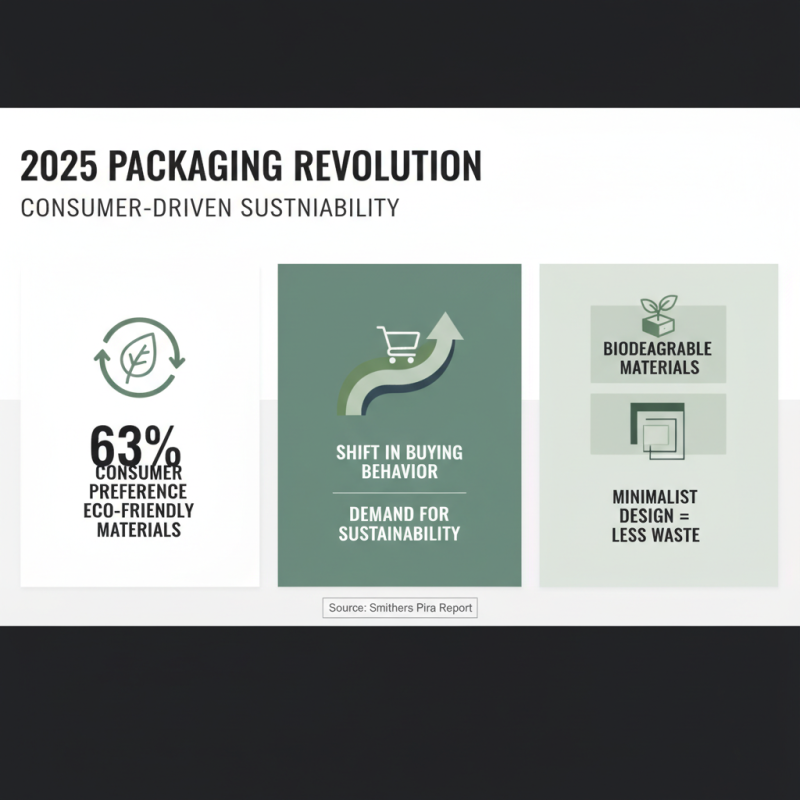
In 2025, consumer preferences are dramatically reshaping the packaging landscape, driving brands to innovate sustainably and effectively harnessing materials that resonate with environmentally conscious shoppers. According to a report from Smithers Pira, 63% of consumers now prefer products that utilize eco-friendly packaging, reflecting a seismic shift in buying behaviors. This growing demand for sustainability has led companies to explore alternatives, such as biodegradable materials and minimalist designs that reduce excess waste.
To align with these evolving consumer preferences, brands should consider adopting packaging solutions that emphasize transparency and convenience. A survey conducted by Nielsen highlights that 73% of millennials are willing to pay more for products with sustainable packaging, indicating a clear opportunity for businesses to enhance their market appeal. Additionally, incorporating interactive packaging technology, such as QR codes, can engage consumers further by providing information on the product’s eco-impact, thus building brand loyalty.
**Tip:** Embrace circular packaging solutions that not only reduce waste but also promote recycling initiatives, encouraging consumers to participate in sustainability efforts.
In this fast-evolving market, staying ahead means leveraging data analytics to understand consumer preferences better. By tapping into insights from market research, businesses can tailor their packaging strategies to not only meet but exceed customer expectations, ensuring they remain competitive in the dynamic packaging industry.
**Tip:** Consider trialing sustainable packaging options through focus groups to gauge consumer reactions and preferences before a full-scale rollout.
The Role of Smart Packaging in Modern Supply Chains
In the modern supply chain landscape, smart packaging has emerged as a crucial innovation that enhances efficiency and sustainability. According to a report by the Smart Packaging Association, the smart packaging market is projected to reach $37 billion by 2025, driven by advancements in RFID technology, sensors, and IoT integration. These innovations facilitate real-time tracking and inventory management, enabling businesses to optimize their logistics and reduce waste. For instance, smart labels equipped with QR codes allow consumers to access detailed product information, fostering transparency and trust in the supply chain.
Furthermore, smart packaging plays a significant role in maintaining the integrity of products, especially in the food and pharmaceutical sectors. The global food waste report highlights that approximately one-third of all food produced is wasted, largely due to inadequate supply chain monitoring. Smart packaging solutions, such as freshness sensors and temperature indicators, ensure that products are maintained within safe parameters, thereby minimizing spoilage. A study from MarketsandMarkets estimates that adopting smart packaging can reduce waste by up to 10% across various industries, exemplifying its potential to enhance not only profitability but also sustainability in supply chains.